By Smith Nwokocha As global attention turns toward Nigeria ahead of the 5th High-Level Ministerial Meeting on Antimicrobial Resistance (AMR), a recent media briefing offers a powerful preview of what’s at stake, and what must change. The session brought together leading voices, including Jean Pierre Nyemazi, Director of the Quadripartite Joint Secretariat on AMR, and Ayoade Alakija, Nigeria’s Ministerial Global Envoy on AMR. But beyond the formalities, the message was urgent and clear: the world is running out of time to protect life-saving medicines.
AMR: THE SILENT GLOBAL CRISIS Antimicrobial resistance (AMR) occurs when medicines, like antibiotics, stop working. What used to be treatable infections can become deadly. According to global health leaders, AMR is already among the top threats to humanity, cutting across: • Human health • Animal health • Food systems • The environment This is why institutions like the World Health Organisation and its partners are pushing a unified response.
PART 1: FROM GLOBAL COMMITMENTS TO REAL ACTION In the first part of the briefing, experts emphasised that global promises must now translate into local, measurable action. Following the United Nations General Assembly High-Level Meeting on AMR 2024, countries committed to reducing deaths from AMR by 10% by 2030. But progress depends on: • Strong national action plans • Sustainable financing • Cross-sector collaboration Dr. Nyemazi stressed that AMR is no longer just a “health issue”, it is a development, equity, and sustainability challenge. Dr. Alakija reinforced this, highlighting that solutions must work within local realities, especially in low- and middle-income countries where the burden is highest.
THE “ONE HEALTH” SHIFT A key theme of the upcoming summit is One Health, an approach that connects human, animal, and environmental health. This means: • Reducing misuse of antibiotics in livestock • Improving sanitation and hygiene • Tackling environmental pollution from pharmaceuticals It’s a shift from isolated interventions to systems thinking, and it’s central to the Abuja meeting.
PART 2: MEDIA TAKES CENTRE STAGE The second half of the briefing spotlighted an often-overlooked aspect of global health: the power of storytelling. The Global AMR Media Alliance announced the 3rd Edition of the Global AMR Media Awards 2026, recognising journalists and storytellers across four regions: • Asia Pacific • Africa • Pan America • Europe New and Notable Award Categories Several important categories were introduced: • Special AMR Reporting Award Focused on coverage of the 2026 ministerial meeting in Nigeria • #PutPeopleFirst Award In partnership with The AMR Narrative, this category highlights stories centred on AMR survivors, bringing human faces to a technical issue
Regional and National Recognition Expands 3rd Edition of Global AMR Media Awards 2026 were announced. Nigeria AMR Media Alliance (NAMA) Chairperson Ojoma Akor announced 1st Nigeria AMR Media Awards 2026. Nepal AMR Media Alliance Chairperson Kalpana Acharya announced 2nd Nepal AMR Media Awards 2026. Lata Mishra of India AMR Media Alliance announced the 2nd India AMR Media Awards 2026, and Dr Ijyaa Singh of ReAct Asia Pacific announced 1st Kerala AMR Media Awards 2026.
2 special awards categories were announced: AMR survivor Vanessa Carter (founder of The AMR Narrative and Chairperson of WHO Task Force of AMR Survivors) announced #PutPeopleFirst award category to shine a spotlight on media reporting featuring voices of AMR survivors. Likewise, a special award category is for media globally that are reporting around 5th High Level Ministerial Meeting on AMR in Nigeria. For more information, visit: http://www.tinyurl.com/mediaawards-2026
The awards also reflect growing regional ownership of the AMR conversation: • 2nd India AMR Media Awards (via GAMA India) • 2nd Nepal AMR Media Awards (via GAMA Nepal) • 1st Nigeria AMR Media Awards (a major milestone for local engagement) • 1st Kerala AMR Media Awards (with ReAct Asia Pacific) This expansion signals a shift: AMR storytelling is becoming more localised, inclusive, and impactful.
WHY MEDIA MATTERS IN THE FIGHT AGAINST AMR One of the strongest takeaways from the briefing is that the media is not just a messenger; it is a driver of change. Effective reporting: • Shape public understanding • Influence policy decisions • Encourage behaviour change • Hold governments accountable Without visibility, AMR remains invisible. And without pressure, progress stalls.
LOOKING AHEAD TO ABUJA 2026 The upcoming ministerial meeting is more than a diplomatic gathering. It is a global checkpoint, a moment to assess whether countries are truly acting on their commitments. For Nigeria, hosting this event is both an opportunity and a responsibility: • To lead from the Global South • To push for equitable solutions • To connect global ambition with local realities
Finally; AMR may be a complex scientific issue, but at its core, it is about something simple: the ability to treat infections and save lives. The world still has a window to act, but only if commitments move beyond paper and into practice. And as this briefing makes clear, that shift must start now.
Why Antimicrobial Resistance Must Be Addressed Through a Gender Lens
Antimicrobial resistance (AMR) is one of the most urgent global health threats of our time. It arises largely from the misuse and overuse of medicines across human health, livestock production, agriculture, and food systems. These practices are not only undermining the effectiveness of life-saving drugs but are also contributing to environmental contamination. If the world hopes to achieve the Sustainable Development Goals (SDGs), eliminating the misuse and overuse of antimicrobials across all sectors is essential.
Yet AMR is not solely a biomedical challenge. A complex web of biological, social, cultural, and economic factors—many rooted in gender inequality—shapes how infections spread, how treatments are accessed, and how antibiotics are used. Gender norms, structural inequalities, and harmful stereotypes have historically normalized the neglect of women’s health and well-being. As a result, women and girls often face heightened vulnerability to infections and, consequently, to antimicrobial resistance.
Gender-Based Violence and AMR
Gender-based violence is one of the overlooked drivers of antimicrobial resistance. Violence increases women’s exposure to infections and reduces their ability to seek timely medical care.
According to Dr Soumya Swaminathan, former Chief Scientist of the World Health Organization (WHO), intimate partner violence and domestic abuse can lead to infections ranging from sexually transmitted infections to urinary and reproductive tract infections. These conditions frequently require antibiotic treatment.
However, women experiencing violence often face barriers to seeking care due to stigma, limited autonomy, or fear of further abuse. Even when treatment is sought, incomplete courses of antibiotics or incorrect dosing may occur, increasing the risk of drug-resistant infections.
Unsafe abortions, delayed treatment for injuries, and restricted access to healthcare further compound the problem. Without addressing gender-based violence, efforts to combat AMR will remain incomplete.
Stigma and Delayed Treatment
Social stigma surrounding diseases such as tuberculosis (TB) and HIV/AIDS disproportionately affects women. In many societies, a woman diagnosed with these illnesses is judged not only as a patient but also as someone who has brought shame upon her family.
Bhakti Chavan, a survivor of extensively drug-resistant tuberculosis and member of the WHO Task Force of AMR Survivors, describes how stigma discourages women from seeking care.
Many women delay testing, avoid visiting clinics, or stop treatment early to prevent family members or communities from discovering their condition. Incomplete treatment is a major driver of drug-resistant infections.
Her experience highlights a critical reality: AMR is not gender neutral. Effective responses must consider the social realities shaping women’s health decisions.
Power Dynamics in Healthcare
Gender also shapes power relationships within healthcare systems. Dr Esmita Charani of the University of Cape Town emphasizes that women often have less power to advocate for their health needs.
In many households, women prioritize the healthcare needs of other family members before their own. Women frequently accompany relatives to hospitals as caregivers but do not seek treatment themselves.
Financial constraints further deepen the disparity. In settings where healthcare costs are paid out of pocket, families may prioritize treatment for male members over female members.
Ironically, while women make up the majority of the global healthcare workforce—particularly nurses and pharmacists—they often have limited influence over prescribing decisions or institutional policies.
These power dynamics affect infection prevention, antibiotic stewardship, and the overall quality of care.
Social Norms and Structural Barriers
Deeply rooted social norms also shape women’s vulnerability to AMR. Dr Deepshikha Bhateja of the Indian School of Business notes that cultural expectations surrounding caregiving, menstruation, pregnancy, and financial control restrict women’s access to healthcare, education, and sanitation.
Limited access to water, sanitation, and hygiene (WASH) facilities increases exposure to infections. Reduced educational opportunities lower awareness about appropriate antibiotic use. Financial dependency restricts women’s ability to seek timely care.
Together, these factors increase infection risk while reducing the likelihood of proper diagnosis and treatment—conditions that fuel antimicrobial resistance.
The Need for an Intersectional Approach
Gender does not operate in isolation. Other social determinants—such as income, ethnicity, migration status, and geography—intersect with gender to shape health outcomes.
For example, rural women engaged in agriculture often carry multiple responsibilities: farming, caring for livestock, managing households, and raising children. With limited financial autonomy and restricted access to healthcare services, infections may go untreated or be managed with inappropriate medications.
Understanding these overlapping vulnerabilities requires an intersectional approach to AMR policy and programming.
AMR as a Social Problem
Although AMR is often framed as a technical issue involving microbial evolution and pharmaceutical development, Dr Salman Khan of ReAct Asia Pacific argues that it is fundamentally a social problem.
Power structures determine whose health is prioritized, who controls resources, and whose voices shape policy decisions. Young people—especially young women—are frequently excluded from decision-making processes despite being deeply affected by the long-term consequences of antimicrobial resistance.
Addressing AMR effectively requires inclusive governance that recognizes youth, women, and marginalized groups as key stakeholders rather than passive beneficiaries.
Women as Leaders in Combating AMR
While women face disproportionate risks, they also hold enormous potential to drive solutions.
Dr Mayssam Akroush, founding president of the Pan Arab Women Physicians Association, highlights women’s central role in combating irrational antibiotic use. Women serve as caregivers, educators, healthcare professionals, and community leaders. They make crucial decisions about family health and can influence how antibiotics are used within households.
Educating and empowering women on responsible antimicrobial use can have a ripple effect across entire communities.
Strengthening Policy Responses
There is growing consensus that national AMR strategies must incorporate gender-sensitive approaches. This includes integrating gender-based violence indicators into national AMR action plans and strengthening antibiotic stewardship in sexual and reproductive health services.
In 2024, the WHO released guidance to help countries integrate gender-responsive strategies into their AMR policies. The recommendations aim to address disparities in prevention, diagnosis, and treatment of drug-resistant infections.
Without such measures, existing inequalities will continue to undermine global efforts to contain antimicrobial resistance.
The Urgent Case of Drug-Resistant Tuberculosis
The challenge of AMR is particularly visible in tuberculosis. Despite decades of scientific advances, the global burden of drug-resistant TB remains alarmingly high.
Estimates suggest that around 400,000 cases of drug-resistant TB were recorded in 2000—and similar numbers were reported again in 2024. The persistence of these figures reflects systemic failures in infection prevention and treatment adherence.
If the world hopes to end TB by 2030, preventing drug-resistant forms of the disease must become a priority.
A Feminist Response to AMR
AMR responses must ultimately adopt a feminist and justice-based approach—one rooted in care, solidarity, and equity.
Health policies cannot be separated from gender equality. Addressing violence against women, ensuring universal access to water and sanitation, empowering women economically, and dismantling harmful social norms are not only human rights imperatives—they are essential public health strategies.
Without confronting these structural inequalities, the world risks losing the medicines that protect us from infectious diseases.
Combating antimicrobial resistance therefore requires more than scientific innovation. It demands a transformation in how societies address gender inequality, power imbalances, and access to healthcare.
Only through such holistic action can we safeguard the effectiveness of antibiotics for future generations.
Africa faces a grave nutrition crisis, one that statistics alone cannot solve. In Nigeria, 40% of children under five are stunted, and over 17 million people are food insecure (UNICEF, 2023; FAO et al., 2023; DHI, 2023). Children are not just hungry; they are unprotected and invisible. With 47% of children living in income-poor households and 67% trapped in multidimensionalpoverty, the odds are stacked against them from birth. However, beyond the data, there is a crucial factor that we must urgently highlight: communication.
In addition to the availability and affordability of food, we cannot end malnutrition without addressing sensitization around behavioral changes, social norms, and misinformation related to food, health, and childcare. That’s where communication comes in, not as an afterthought, but as a strategic tool. Effective nutrition communication educates caregivers on what to feed their children and why. It helps communities understand the dangers of pap-only diets, promotes early initiation of breastfeeding, and combats cultural taboos that limit dietary diversity.
In Tanzania, a troubling shift is emerging: growing numbers of women feel afraid or ashamed to breastfeed in public. This stigma threatens progress in promoting optimal breastfeeding practices and, if unaddressed, could undermine efforts to improve maternal and child health across Africa. A 2025 study by Koray et al. examined exclusive breastfeeding (EBF) across 25 Sub‑Saharan countries, identifying a complex mix of individual and community-level influences. EBF was highest in Burundi (83%) and Rwanda (79%), and lowest in Gabon (19%) and Guinea (25%). The study emphasized early antenatal care (ANC), media exposure, and community support as key enablers, recommending targeted interventions rooted in culturally sensitive health communication.
In Nigeria, some mothers still discard colostrum due to outdated beliefs or conflicting advice, sometimes from poorly informed health workers. Misinformation undermines decades of nutrition advocacy, and these myths persist because communication doesn’t reach those who need it most. Mozambique’s Cyclone Idai in 2019 revealed similar issues: with over 40 languages and low Portuguese fluency, aid messages failed to reach many. A stark reminder that without tailored communication, even well-planned responses can fall short.
So, what does effective communication look like? It means planning communication as a core part of any project, not an afterthought. It means working within the broader strategy and ensuring adequate resources are dedicated to communication efforts. It means speaking in the audience’s language, using trusted local channels like community radio or influencers, and addressing cultural beliefs sensitively. As Colle advises, every project must examine communication needs during planning, integrate them fully within the strategy, and allocate resources accordingly. This approach ensures messages reach the right people, in the right way, at the right time.
Strategic communication connects policies to people and translates nutrition science into action at the household level. As communicators, we must design with empathy, speak the language of the audience, and build consistent, evidence-based messages. If we want to change Nigeria’s alarming nutrition statistics, we must first change the conversation. Over 500 languages are spoken in Nigeria, so this risk is also there (Lewis et al., 2015).
So, what does effective communication planning look like?It should entail integrating communication into nutritional policies from the beginning, involving:
• The Federal Ministry of Information and National Orientation, in collaboration with the Ministry of Health and Social Welfare, to spearhead the national communication strategy and messaging.
• State Ministries of Health, local nutrition officials, and the National Orientation Agency (NOA) to execute and adapt messaging to local conditions.
• Media partners, faith-based organisations, women’s associations, faith and traditional leaders, who possess credible platforms inside communities.
• Nutrition-focused CSOs and NGOs, such as the Nutrition Society of Nigeria, Alive & Thrive, or UNICEF, MSF, CS-SUNN, and others, to co-create and validate messaging.
Budget: What % should go to communication?
Many experts have recommended many things, but this largely depends on what is available on the ground. For some, it is allocating at least 10%, others 1% of any nutrition program budget to communication. However, currently, many programs invest less than 3%, treating messaging as a last-mile add-on. This is a false economy. Without strong communication, behavior change won’t happen, even with the best interventions in place. The Indonesian government recognized the importance of nutrition communication and allocated significant resources to support it, both directly and indirectly through broader nutrition initiatives. The Indonesian communication strategy was based on a National Nutrition Communication Campaign (NNCC), providing a compelling model.
Does Nigeria require interagency coordination?
Absolutely. Communication should be coordinated by a multi-sectoral task force involving:
Ministries of Health, Agriculture, Education, and Information
The Nigeria Governors’ Forum (to ensure state-level ownership)
ALGON to ensure local governance and grassroots ownership
NOA, CSOs, and community media networks
Nigerian Communications Commission (to leverage mobile and digital infrastructure)
Such coordination ensures consistent messaging, efficient use of channels, and inclusive language strategies tailored to rural, urban, literate, and low-literacy audiences.
Why language matters more than we admit
Language is not just a medium; it’s a gatekeeper. It determines who understands and who doesn’t. Especially with our literacy level, in a linguistically diverse country like Nigeria, failing to communicate in people’s first languages creates exclusion, levels, and misinterpretation, and ultimately, policy failure.
To tackle this, nutrition programs must:
Develop translations in at least 10 priority Nigerian languages;
Leverage community radio, which reaches millions in their mother tongues;
Train local communicators to co-create messages using local idioms and cultural references.
If we want to change Nigeria’s alarming nutrition statistics, we must first change how we speak, who we speak to, and in what language. And don’t get me wrong, the cost of food isn’t friendly either, but even within our means, informed choices can help us eat better. So, how about we feed the minds first, then the stomachs will follow?
Milliscent Nnwoka (Author)
Milliscent Nnwoka is an author, lawyer, and development journalist, and founder of Bright Byte Media Learning (BBML), a platform advancing media literacy and strategic communication in Africa. She has led major initiatives in health, politics, and development, including training women leaders and supporting different campaigns. A published researcher and PhD candidate in Mass Communication, her work explores how National Assembly TV’s social media drives legislative transparency and citizen engagement.
The undersigned civil society organizations are seriously disturbed by the alarming and troubling rate with which the ruling All-Progressive Congress (APC) government, under the leadership of President Bola Ahmed Tinubu, has resorted to utilizing Nigeria’s security agencies as instruments of harassment, intimidation, and suppression against Labour groups and vocal civil society organizations (CSOs). This troubling trend raises serious questions about the state of democracy and human rights in Nigeria, as it appears to be a deliberate strategy aimed at stifling dissent and curtailing the voices of those who dare to challenge the status quo.
The actions of the government in this regard seem to be a calculated response to the growing discontent among the populace, which has been fuelled by widespread corruption, extravagant spending by those in power, and the implementation of policies that are increasingly detrimental to the well-being of ordinary Nigerians. These policies have not only exacerbated the existing socio-economic challenges but have also contributed to a climate of fear and repression, where legitimate grievances are met with force rather than dialogue.
Therefore, we condemn in strong terms possible the efforts of President Bola Tinubu’s administration to suppress dissent among citizens, restrict civil society, and undermine Nigeria’s civic environment. The actions taken by the government in recent weeks have raised serious concerns about the state of democracy and human rights in our nation. It is alarming to witness the increasing measures aimed at stifling voices that challenge the status quo, as well as the systematic targeting of organizations and individuals who advocate for transparency, accountability, and social justice.
We urge the prompt rectification of the numerous errors made in the past months, which have not only eroded public trust but have also created an atmosphere of fear and repression. It is imperative that the government acknowledges these missteps and takes immediate action to restore the rights and freedoms that are the cornerstone of a democratic society. This includes the retraction of any policies or actions that unjustly limit the ability of citizens to express their opinions, assemble peacefully, and engage in meaningful dialogue with their government.
Furthermore, we assert the necessity for the respect of constitutionally protected rights, including freedom of assembly and association, freedom of expression, and the principles of participatory governance. These rights are not merely privileges; they are fundamental to the functioning of a healthy democracy. Citizens must be allowed to gather, protest, and voice their concerns without fear of retribution. Civil society organizations play a crucial role in advocating for the needs and rights of the populace, and their work should be supported, not hindered.
Prior to September 9, 2024, analysts observing Nigeria’s civic environment would have rated the Bola Tinubu administration poorly regarding its efforts to safeguard and enhance press freedom, the right to associate, peaceful assembly, and self-expression. However, the events of September 9, 2024, marked a significant deterioration to an already bad situation for an administration that has increasingly demonstrated its willingness to suppress dissenting voices. In a manner reminiscent of Nigeria’s oppressive military regime, the Nigerian Government deployed agents from the Department of State Services to unlawfully arrest the leader of the Nigerian Labour Congress (NLC), Comrade Joe Ajaero. Before we could fully comprehend the ramifications of this incident, we learned that agents from the same agency had also besieged the offices of the Socio-Economic Rights and Accountability Project (SERAP), a civil society organization working to advance the social, economic, and cultural rights of the Nigerian populace.
The Tinubu administration, which took office on May 29, 2023, has been marked by a troubling pattern of neglect towards the concerns and aspirations of large segments of the Nigerian population. This administration appears to be following a path similar to that of its predecessor, the Buhari administration, which was widely criticized for its failure to safeguard the civic space and uphold democratic principles. The current government seems intent on not only maintaining but potentially exacerbating the shortcomings of the Buhari regime, raising serious concerns about the state of democracy and human rights in Nigeria.
One of the most alarming developments under the Tinubu administration is the alarming frequency with which journalists are being targeted. Reports indicate that these individuals are being abducted from their homes and subjected to various forms of harassment on an almost daily basis. This systematic targeting occurs merely because they are exercising their constitutional duty to hold the government accountable to the citizens. Such actions not only undermine press freedom but also create a climate of fear that stifles dissent and discourages critical reporting on government actions.
The situation escalated dramatically when Nigerians took to the streets last month to peacefully protest against the worsening economic conditions and escalating insecurity in the country. Instead of engaging with the citizens and addressing their grievances, the Nigerian Police responded with excessive force. The deployment of tear gas and the unlawful detention of over 1,000 individuals during these protests exemplifies a troubling disregard for the right to peaceful assembly. Tragically, this brutal response resulted in at least 30 fatalities, highlighting the severe consequences of the government’s heavy-handed approach to dissent.
Moreover, the crackdown on dissent has extended to the arrest of minors, with several individuals aged between 14 and 17 facing treason charges. These young protesters, who were merely advocating for an end to bad governance under the #EndBadGovernance movement, are now entangled in a legal battle that could have devastating implications for their futures. This situation raises critical questions about the government’s commitment to upholding the rights of its citizens, particularly the youth, who are often the most vulnerable in times of political unrest.
On Tuesday, September 9, 2024, a significant new low was reached. The arrest of the NLC President and the almost simultaneous siege on the offices of SERAP, represents a threshold that should never be crossed in any nation that claims to uphold democratic principles. Democracy serves as a mechanism for participatory governance, functioning optimally when dissenters are permitted to lawfully contest the authorities in an environment where their rights are protected. This aligns with our Constitution, which guarantees citizens the right to assemble peacefully, associate freely, and express their views. Furthermore, the Constitution explicitly assigns the press the duty of ensuring government accountability.
It may be beneficial for the Tinubu administration to revisit the fundamental principles of democracy. A comprehensive review of these principles can provide a solid foundation for governance that is inclusive, transparent, and accountable to the citizens of Nigeria. In this context, we recommend that the administration thoroughly examine the 1999 Constitution of the Federal Republic of Nigeria, which serves as the supreme law of the land and outlines the rights and responsibilities of both the government and the citizens. This examination should not only focus on the constitutional provisions but also consider the historical and social contexts in which the Constitution was drafted and adopted.
Additionally, the administration should take into account the African Charter on Human and Peoples’ Rights, which Nigeria has ratified. This charter emphasizes the importance of human rights, democracy, and good governance across the continent. By aligning its policies and practices with the principles enshrined in both the 1999 Constitution and the African Charter, the Tinubu administration can foster a political environment that respects individual freedoms, promotes social justice, and encourages active citizen participation in the democratic process.
In light of recent events, we strongly call upon the government and its security agencies to take the following actions:
Immediately halt the unjust and illegal harassment of officials of the NLC.
Provide a prompt and unconditional apology to the President of the NLC for his unlawful arrest and harassment.
The DSS should also extend an unqualified apology for this unjust and audacious assault.
Promptly release all peaceful demonstrators who were detained during the #EndBadGovernance protest, particularly ensuring the unconditional release of minors. Additionally, the treason charges against these individuals should be dropped immediately.
The Nigerian government must direct its agencies and departments to implement a human rights-centered approach when addressing dissent, particularly during protests. A fundamental principle of the democratic framework we claim to uphold is the allowance of dissenting opinions.
The callous and unwarranted harassment of civic actors like Omoyele Sowore should end. Nigerians should not be harassed because they choose to exercise their right to freedom of expression in a manner that the government finds unpalatable.
President Tinubu should initiate a dialogue involving civil society organizations, media representatives, and professional groups in Nigeria.
We caution that neglecting the responsibilities will only exacerbate the struggles of Nigerians, who are already burdened by a severely mismanaged economy. It conveys to the international community that residing in “Africa’s Largest Democracy” is akin to existence under a dictatorship. It is the Government’s guaranteed ticket to both national and international embarrassment.
The period characterized by the oppressive measures of dictatorship ended in 1999. Such an era is not endorsed by Nigeria’s constitution and fails to meet the aspirations of the Nigerian populace, thereby lacking legitimacy.
Signed:
RULAAC – Rule of Law and Accountability Advocacy Centre
Human and Environmental Development Agenda (HEDA Resource Centre)
Resource Centre for Human Rights and Civic Education (CHRICED)
Centre for Information Technology and Development (CITAD)
African Centre for Media & Information Literacy (AFRICMIL)
Civil Society Legislative Advocacy Centre (CISLAC)
BudgIT Foundation
Corporate Accountability and Public Participation Africa (CAPPA)
State of the Union (SOTU)
Tax Justice and Governance Platform
Transition Monitoring Group (TMG)
Women in Media Communication Initiative (WIM)
Zero Corruption Coalition (ZCC)
Emma Ezeazu Centre for Good Governance and Accountability
Centre Democracy and Development (CDD)
Accountability Lab, Nigeria
Centre for Journalism Innovation and Development (CJID}
Say NO Campaign – Nigeria
Femi Falana Chamber
Health of Mother Earth Foundation (HOMEF)
Socio-Economic Rights and Accountability Project (SERAP)
Good Governance Team
21st Century Community Empowerment for Youth Initiative
Organization for Community Civic Engagement (OCCEN)
Mothers and Marginalised Advocacy Centre (MAMA Centre)
Social Action
Centre for Transparency Watch
West Africa Civil Society Forum WASCSOF
Global Rights
African Centre for Leadership, Strategy & Development (Centre LSD)
Partners West Africa
Order Paper
Say No Campaign
Environmental Rights Action/Friends of the Earth, Nigeria. ERA
Center for Fiscal Transparency and Public Integrity
Amnesty International Nigeria
Borno Coalition for Democracy and Progress (BOCODEP)
Connected Development (CODE)
Centre for Democratic Research and Training (CRDDERT)
Praxis
CLEEN Foundation
Spaces for Change
Abuja School of Social and Political Thought
Yiaga Africa
Policy Alert
Socio Economic Research and Development Centre
Procurement Observation and Advocacy Initiative
Media Rights Agenda
Media Initiative for Transparency in Extractive industries (MITEI)
Centre for Social Centre for Justice Reform
Centre for Community Empowerment in conflict and Peace building -Kaduna
Centre for Global Tolerance and Human Rights
Open Society on Justice Reform Project
Environmental Rights Action
Sesor Empowerment Foundation
World Impact Development Foundation
Human Rights Social Development and Environmental Foundation
Elixir Trust Foundation
Prisoners’ Rehabilitation and Welfare Action (PRAWA)
Women’s Rights Advancement and Protection Alternative
(WRAPA)
Community Life Project (CLP)
Women in Mining,Nigeria
Kebetkache Women Development & Resource Centre
Women Advocate Research and Documentation Centre (WARDC)
Africa Network for Environment and Economic Justice (ANEEJ)
Conscience for Human Rights and Conflict Resolution (CHRCR)
LightRay! Media stands in solidarity with Nigerian journalists who courageously report on critical issues. We reaffirm our commitment to supporting a free and independent press in Nigeria, promoting investigative journalism that sheds light on important stories and fosters accountability.
As the spate against journalists is on the rise in Nigeria, the arrest of investigative journalist and pioneer Editor of BBC Pidgin Service, Adejuwon Soyinka, who was briefly detained by the Department of State Services (DSS) at Murtala Muhammad International Airport in Lagos on August 25, 2024, upon his return from the UK raises another layer of concern on the rights of journalists.
Following intervention by the International Press Institute (IPI) Nigeria, Soyinka was released, but his passport remains withheld, sparking concerns about potential rights violations and the escalating intimidation of journalists in Nigeria.
We express deep concern over the ongoing erosion of press freedom in Nigeria. This year, several journalists have faced harassment, highlighting a troubling trend, including both female and male journalists: Kasarahchi Aniagolu, Segun Olatunji, Daniel Ojukwu, and
Jamil Mabai.
LightRay! Media and other press freedom advocates will continue monitoring the situation, promoting a safe and enabling environment for journalists.
We encourage the Nigerian government to uphold its constitutional obligations and international human rights commitments, ensuring a safe and enabling environment for journalists to perform their vital role.
LightRay! Media will continue to monitor developments and advocate for the protection of journalists’ rights across West Africa, promoting a culture of transparency and accountability.
Lady Ejiro Umukoro
Executive Director
LightRay! Media(LR!M)
July 2024, marks the second year since the Petroleum Industry Act (PIA) was passed. Host
communities are yet to benefit from the 3% statutory allocation due to many communities.
To mark the significance of this year’s PIA and the role of journalists in demystifying the oil and
gas sector, the most shrouded industry in Nigeria, the Nigeria Union of Journalists are reminded
of their role following the training and public discussion by Lady Ejiro Umukoro, the Executive
Director of LightRay! Media.
In the complex landscape of Nigeria’s oil and gas industry, the role of the media has never been
more critical. As the country grapples with economic instability and socio-environmental
challenges, the need for effective and efficient reportage in this sector is paramount. Nigeria,
endowed with vast oil and gas reserves, relies heavily on this industry to fuel its economy.
However, despite its significant contributions, the sector remains marred by issues of mismanagement, corruption, and a lack of transparency. The Nigerian media, often referred to
as the Fourth Estate plays a crucial role in holding the industry accountable and ensuring that
the benefits of this natural wealth are felt by all citizens.
Lady Ejiro Umukoro, Executive Director of LightRay! Media, while delivering a lecture at the Nigerian Union of Journalists workshop in Delta, highlighted the urgent need for a paradigm shift
in how the media covers the oil and gas sector.
The workshop, titled “Repositioning the Mass Media for Effective and Efficient Reportage of Oil and Gas Industry in Modern Time,” aimed to address the pressing need for better media
coverage of the oil and gas sector, brought together journalists from across the country to discuss the challenges and opportunities in reporting on this critical industry.
Umukoro’s lecture emphasized the importance of distinguishing journalism from public relations and advertising, urging journalists to uphold the principles of truth, accountability, and civic duty. She pointed out that despite the oil and gas sector’s pivotal role in funding Nigeria’s
national budget, the media’s coverage has been inadequate, often failing to hold industry players
accountable for their actions. With 70% of revenues from crude oil reportedly not reinvested back into the country, there is a
pressing need for journalists to dig deeper, ask tougher questions, and ensure that the industry
operates transparently. In her words, she said “When 70% of money accrued from crude oil do not find their way back to the country, the media, which is the Fourth Estate, must do better to
follow the money trail to hold government accountable for the public good”, she asserted.
She made a strong case on the difference between journalism and other roles of communication
withing the media ecosystem, stating that “Journalism is not PR. PR is reputation and image management. Advertising is feasibility and sales. Nigerian journalists must learn to separate
these three,” she added. The Role and Responsibility of Journalists
Umukoro underscored the critical role of journalists in a democratic society, emphasizing their
duty to truth, facts, and accountability. “When you’re a journalist, you wear the garb of truth,
fact, unbiased reporting, accountability, solutions, and civic intelligence empowerment,” she
stated.
She disapproved the Nigerian media’s performance in the oil and gas sector, pointing out the lack of transparency and the resulting negative public perception. “The NNPCL, Chevron, Shell,
and other entities in the sector are seen as closed-off groups bleeding Nigeria to death while
plunging its citizens into poverty amidst vast wealth,” she stated.
According to Umukoro, journalists must embrace their role as truth-tellers, upholding principles of accountability, civic intelligence, and public good. She criticized the media’s performance in its failure to adequately cover and report on the oil and gas sector, highlighting the lack of
transparency and closed nature of the industry.
“We have enough data from within governments and businesses within this space that proves
the sector is the most closed off. This shouldn’t be, especially in a democracy,” she stated.
Journalists have a pivotal role in the oil and gas industry, acting as watchdogs, educators, and
advocates for transparency and accountability. In a sector that significantly influences Nigeria’s
economy, their responsibilities are multifaceted and crucial for fostering a well-informed public
and ensuring ethical practices within the industry.
Journalists must act as watchdogs, scrutinizing the activities of oil and gas companies and
government entities involved in the sector. This includes investigating and reporting on issues
such as mismanagement, corruption, and environmental degradation. By holding these entities accountable, journalists help ensure that the wealth generated from Nigeria’s natural resources
is managed responsibly and benefits the wider population.
A critical role of journalists is to educate and inform the public about the complexities of the oil and the gas industry. This involves breaking down technical jargon and presenting information in an
accessible, digestible, and shareable format that requires a unique set of storytelling to make reports on the oil and gas sector go viral to create citizens’ engagement and better transparency.
Journalists should provide comprehensive coverage of policies, laws, and industry practices,
enabling citizens to make informed opinions and decisions.
Economic Context and Challenges
Highlighting the economic implications, Umukoro explained that oil and gas revenues
significantly fund Nigeria’s budget. However, mismanagement and lack of reinvestment hinder
the country’s growth.
“Despite choosing democracy, which demands transparency and accountability, we see a lack of
open data and public access to information,” she remarked. This secrecy contributes to the negative perception of the oil and gas sector and undermines public trust. The country, blessed with abundant natural resources, relies heavily on the oil and gas sector, which accounts for about 90% of its export revenues and over 60% of government income according to research.
This financial dependency underscores the sector’s critical role in shaping the country’s
economic stability and growth.
The substantial revenue generated from oil and gas is intended to support various facets of
national development, including infrastructure, education, healthcare, and social services.
However, Umukoro pointed out that these funds often do not translate into tangible
improvements in these areas. The core issue lies in the systemic mismanagement and
misallocation of resources, where significant portions of oil revenues are lost to corruption and
inefficiency.
Mismanagement and Lack of Reinvestment
Umukoro emphasized that despite the enormous potential of oil and gas revenues to drive
economic growth, Nigeria faces persistent challenges due to the sector’s mismanagement.
Instead of reinvesting profits back into the economy to foster development, a large chunk of
these revenues are siphoned off through corrupt practices and unaccountable governance. This
diversion of funds results in a lack of reinvestment in critical infrastructure and services that
could propel the country forward.
For instance, the country’s refineries do not operate and are below capacity, necessitating the
import of refined petroleum products, which drains the economy further Additionally, the infrastructure within the oil-producing regions, such as roads, schools, and
hospitals, remains underdeveloped, exacerbating the disparity between the wealth generated by
the sector and the living conditions of the local populace.
Transparency and Public Trust
“Despite choosing democracy, which demands transparency and accountability, we see a lack of
open data and public access to information,” Umukoro remarked. This lack of transparency has
been a significant impediment to public trust.
In a democratic system, the public expects and deserves access to information about how
national resources are managed and utilized. However, the oil and gas sector in Nigeria is
notoriously opaque, with limited disclosure of financial transactions, contracts, and revenue
allocations.
This secrecy fuels public suspicion and perpetuates a negative perception of the sector. Citizens
often feel disconnected from the wealth generated by their country’s natural resources, leading
to disillusionment and scepticism about the benefits of the oil and gas industry.
The perception of the sector as a “closed-off group bleeding Nigeria to death” while ordinary
Nigerians struggle with poverty as a direct consequence of this lack of transparency.
Impact on Economic Growth and Development
The mismanagement and opacity in the oil and gas sector have broader implications for Nigeria’s
economic growth and development. When revenues are not reinvested effectively, it hampers
the country’s ability to build a diversified and resilient economy.
The over-reliance on oil and gas revenues makes Nigeria vulnerable to global oil price
fluctuations, which can lead to economic instability. Furthermore, the failure to invest in other critical sectors, such as agriculture, manufacturing, and technology, limits job creation and
sustainable economic development.
Environmental Journalism and Solutions
Umukoro delineated the various niches within environmental journalism, stressing the need for
comprehensive coverage of issues such as pollution, health impacts, and community effects.
She advocated for solutions journalism, which focuses on stories that drive positive change. “We
are not here to create false narratives. We are here to collaborate and work together for the
good of Nigeria,” she emphasized. She outlined key areas of focus:
• Climate: Pollution, weather impacts.
• Conservation: Deforestation, wildlife, water crises.
• Oil and Gas: Health and reproductive impacts, climate implications, pollution, host
communities, corporate social responsibility (CSR), policies, laws, and the impact on flora, fauna,
and tourism
A case study from Umukoro’s media tour revealed a significant gap in public awareness about the
Petroleum Industry Act (PIA). Despite its passage over a year ago, many Nigerians remain
unaware of its implications.
“The radio and TV audiences were clueless even though major news outlets had reported on it. The few who knew were shocked to know it’s already a year and yet not a single positive impact of the PIA can be recalled by the citizens,” she shared. This gap in awareness underscores the
need for more effective communication and engagement by the media.
Umukoro’s lecture called for urgent reforms in how the oil and gas sector is managed and
reported. She stressed the need for greater transparency, robust anti-corruption measures, and
effective reinvestment strategies to ensure that oil and gas revenues contribute meaningfully to
national development. The media has a pivotal role in advocating for these changes by providing
in-depth, investigative reporting that shines a light on the sector’s practices and holds
stakeholders accountable.
Collaboration and Community Engagement
Umukoro stressed the importance of collaboration between the media, communities, and the oil
and the gas industry. She called for increased engagement through public hearings, roundtables, and
town halls to foster understanding and accountability. “Communities and the oil and gas
industries need to think and work as a team. These are the new narratives we want to see and
read,” she advocated.
Umukoro further urged journalists to commit to higher standards of accountability and truthtelling, engaging deeply with communities to uncover impactful stories. “May 2024 be a new zest
of oil and gas reportage in Nigeria like never seen before to speak truth to power, raise the
standards of accountability, and improve the living standards across Nigeria,” she concluded.
The media plays a crucial role in fostering transparency and accountability in Nigeria’s oil and
gas sector. Journalists are encouraged to take inspiration from this workshop and strive for
excellence in their reporting, ultimately contributing to the country’s development and
prosperity. By embracing their role as truth-tellers and public advocates, Nigerian journalists can
help bridge the gap between the industry and the public, ensuring a more transparent and
accountable sector.
Addressing these economic challenges and fostering a more transparent and accountable oil and
gas industry, Nigeria can better harness its natural resources for the benefit of all its citizens,
promoting sustainable growth and development.
Edosa Oviawe (Global Rights Nigeria-Program Manager)
By Smith Nwokocha
On 3rd May 2024, the global community commemorated World Press Day (WPD), which provided an opportunity to celebrate the fundamental principles of press freedom and assess the state of media freedom worldwide. Though the 2024 theme was on informing the public about the problems and solutions facing the environment and influencing concrete action to address pressing environmental problems in Nigeria, this year’s WPD came at a most perilous time for the freedom of the press in the country. Hence, the major conversations and engagements in Nigeria on May 3, 2024 highlighted recent experiences in Nigeria, indicating that press freedom is under threat, and there is a need to raise the bar for a free press in the country. We are witnessing increased deployment of state resources and the weaponization of state institutions in the attempts to gag the press in Nigeria.
Section 39 of the 1999 Constitution of Nigeria (As Amended) recognises and guarantees Freedom of Expression and the Press as a fundamental right, and Section 22 of the 1999 Constitution of Nigeria (As Amended) places the burden on the press to uphold the government’s responsibility and accountability to the people. Similarly, other international treaties and conventions, of which Nigeria is a signatory, recognise the right of the press as fundamental to the existence of democracy.
However, since the beginning of 2024, there has been an alarming surge in incidents of unwarranted arrests of journalists, mostly for revealing corruption cases and governance failures. There is the increased deliberate use of the Cybercrimes Act to stifle press freedom in Nigeria. Ironically, there is the continued application of Section 24 of the Cybercrimes Act 2015, which has been repealed in the Cybercrimes Prohibition, Prevention Act 2024 (As Amended) passed into law in February 2024 to arrest journalists. For instances, on 7 February, 2024 the Kwara State Police charged Salihu Ayatullah, Editor-in-Chief of Informant247, Managing Editor Azeez Adisa Jaji, and reporters, Abdurahman Taye Damilola and Salihu Shola Taofeek, with conspiracy and defamation under the Cybercrime Act, and the Penal Code respectively. The charges stemmed from a report alleging that the Kwara Polytechnic Rector, Mr Abdul Jimoh Mohammed made false financial claims and commissioned uncompleted projects. On 23 March 2024, Bukky Shonibare, Chairperson of the Board of Trustees for the Foundation for Investigative Journalism (FIJ), was summoned by the National Cybercrime Centre of the Nigerian Police Force and interrogated on 26 March after which she was asked to produce FIJ’s publisher, Mr. Fisayo Soyombo, over his revealing report of alleged corruption and arms dealing by personnel of the Nigeria Customs Service. On 1 May 2024, Daniel Ojukwu, an FIJ reporter, was arrested in Lagos and taken to the State Crime Investigations Department before being transferred to the National Cybercrime Centre in Abuja. He was detained for 10 days over allegations of cybercrime, following a report on the misappropriation of public funds by Mrs Adejoke Orelope-Adefulire, the Special Adviser to the President on Sustainable Development Goals (SDGs). On 15 May 2024, Nurudeen Akewushola, a reporter with the International Centre for Investigative Reporting (ICIR), received a letter from the Police Cyber Crime Centre (PCCC) inviting him for an interview arising from a petition following an ICIR report. The same day, another letter invited ICIR’s managing directors for a similar interview. This list of attempts to hound journalists and gag press freedom in Nigeria tends to be increasing by the day.
It has been reckoned globally that the beacon of democracy is, in fact, a free and fair press. Freedom of the press is respected because it is indeed the ultimate value of any democracy. Democracy is about citizen’s participation in governance; the fulcrum of that freedom is freedom of expression. The media, both conventional media and new media, play a crucial role in this. They are the vehicle or channel through which citizens can express their views, hold the government accountable, and participate in the democratic process.
Nigeria’s President, Bola Ahmed Tinubu, recently in his 2024 Democracy Day speech not only celebrated the nation’s progress but also enumerated his administration’s commitment to entrenching democratic values and economic reforms. The President, while paying tribute to some media organisations for their fight and doggedness for a return to democracy during the military regime, noted that “we could not have won the battle against military dictatorship without the irrepressible Nigerian journalists who mounted the barricades along with the pro-democracy activists”. These very profound words of the President now leave one to wonder: If the Nigerian Press is so important to this democracy, why are journalists increasingly becoming victims of law enforcement and security agents’ harassment under his watch?
Press freedom is not just about protecting journalists. In fact, when press freedom is in jeopardy, it means the citizens have lost their basic freedom to participatory governance. If citizens ever needed to rise against tyrannical tendencies by those who wield state powers against its citizens, now is that time.
A country’s democracy is only as good as its citizen’s ability to freely live, move, associate and express their views without fear. All Nigerians must therefore rise up in defence of press freedom in the country; Journalism Is Not A Crime!
Edosa Oviawe
A Human Rights and Governance Advocates and currently the Program Manager for Global Rights
Note: Information Disorder affects all of society, which include individual, family, community, public health, and society. We all have a role to play.
HISTORY AND EVOLUTION OF INFORMATION DISORDER LEADING TO INFODEMICS:
Pre-Internet Era
20th Century Development
Transition to the Digital Age.
INFODEMICS AND THE MEDIA:
Infodemics is an event, that leads to information disorder-overload of information. The rise of the internet changed everything, including the way we communicate. Social media is new order. Algorithm is the New Editor. Infodemics threatens the Media, making the Media to fight Trust. Fighting Infodemics is the integral work of the Media because it threatens the profession.
Understanding Infodemics in a Digital Age.
INFODEMICS AND HEALTH
“Once there is no trust, infodemics will thrive. We must work to address this new challenge”. Hannatu Bello.
Undermining Trust in Public Health Measures:
In some countries, misinformation has generated mistrust in Government, Public health Authorities and Science. Promotion of harmful practices. Stigmatization and Discrimination. Overwhelmed Healthcare Systems. During Ebola outbreak, there were rumuors…
INFODEMICS AND THE POPULATION
Infodemics and disease outbreaks have complex and intertwined relationship.
Relationship between Infodemics and Disease Prevention and Control.
Relationship between Infodemics and Governance
Mitigation Strategies
HIGHTLIGHTING DAY 2:
Module 2: Information Ecosystem and Motivation for Infodemics:
What is Ecosystem: The interconnected network of various sources, channels, and platforms that facilitate the creation, dissemination, and consumption of information within a particular order. The ecosystem includes traditional media outlets, social media, websites, individuals, Organizations, Governments, and other entities that contributes to the production and flow of information and influence how it is accessed and understood by the community or audience.
Elements of a Community Information Ecosystem:
Infrastructure, Skills, Supply.
Key Players in the Information Ecosystem:
Information producers, Information consumers, Media platforms and Channels, Information intermediaries, Regulatory and Policy framework, Technology, and Infrastructure, Cultural and Social Dynamics, Economics Factors, Public Health and Crisis Communication Strategy, Community Engagement and Citizen Participation.
Infodemics Cake Model:
Science, Policy/Healthcare Practices, News Media, social media, and Community.
Motivation and Impact of Infodemics:
Motivation For Infodemics: Ideology, Politics, Radicalization, Profit, Status, Attention, Humour, and Harm.
Driving Factors that Sustain Infodemics: Technology, Psychology, Language, and Info-void.
Impacts of Infodemics: Population, Cross-cutting, Media and Health.
Addressing the Impacts of Infodemics:
Public Education, Media Literacy, Fact-Checking, Digital Platform Accountability, Ethical Content Moderation, Regulatory Frameworks, Global Collaborations, Responsible Journalism and Transparent Communication from Authorities.
Fact-Checking: How can fact-checking address the impact of infodemics.
INFODEMICS AND THE AUDIENCE:
Your strongest relationship in life is your relationship with information. Language is one of the strongest links to audience.
Shaping the Content.
Behind Audience Segmentation:
Audience Profiling: an Audience Profiling helps describe a member of the audience as a “typical person” representing the audience segment. An audience profile can be developed for all prioritized audiences- primary and influencing.
Offline Audience Profiling
Online Algorithm.
“Knowing Your Audience through Infodemics Lens”.
“Health News is not always exciting, but when you look at it from the Audience Lens, it becomes exciting”. Mr. Oliver Lorkase.
Enhancing Video Storytelling: Tips and Techniques for Creating Engaging Visual Content:
Impact of visual storytelling on Journalism: Enhancing News Delivery, Story Amplification, Audience Reach and Relevance.
Visual Storytelling Techniques: Narrative Structure, Visual Consistency, Data Visualization.
Techniques for Compelling Video Narratives: Strong Narrative Arc, Keep Your Target Audience in Mind.
Considering the Four P’s of Storytelling: 1) People 2) Plot 3) Place 4) Purpose.
INFODEMIC DYNAMICS AND CRISIS MANAGEMENT:
“Everything happens in a community, and it enables one categorize the Actors.” Dr. Yahya Disu.
What is Infodemic Dynamics? Infodemic dynamics refer to the complex and often rapid interactions, processes and phenomena that occur with an infodemic.
Infodemic Dynamics and Crisis: Generation, Momentum and Dynamism.
Digital Influence on Behaviour: information Algorithm and Personification, Language use, Cognitive Psychology.
Crisis Management: It refers to the process of preparing for, responding to, recovering from, and learning from crises or critical incidents that can significantly impact an organization, community, or society. Effective Crisis Management: involves proactive planning, rapid responses, communication strategies, resource allocation, coordination, and continuous improvement.
Pillars of Crisis Management: Prevention (Minimize), Preparedness (readiness), Detection (early warning), Response (mitigation and restoration).
MANAGING INFODEMICS, NIGERIA’S EXPERIENCE: INFODEMICS STRUCTURE AND SYSTEMS-STRATEGIES FOR MANAGING INFODEMICS.
Three (3) things’ standouts in managing infodemics: 1) Strategies 2) Principles 3) Approaches, aimed at mitigating the spread of mis-information.
Nigeria’s Approach to Infodemic Management:
Nigeria Infodemic Management Team (NIMT) in 2020, established to manage misinformation about disease outbreak (e.g COVID-19).
Social Media Health Influencing My Experience (Chinonso Egemba aka Aproko Doctor):
Some insights:
People love stories.
Social Media platforms are more of sensationalism and your clicking/scrolling is the currency.
Do Relatable Stories, Ask Questions, Put Specific Numbers, “Videos you don’t plan, gov viral easily than planned videos”.
In targeting the Audience: “Communication is effective, when it’s both ways”. You have to make your audience feel like they belong to a Community and it’s easier to influence in such manner. TikTok is like the next University.
In creating content, don’t put yourself first, rather your audience. “Mis-information” happen in social media, because social media is not regulated.
MANAGING INFODEMICS: STRATEGIES
Facts or Fictions?
What are the factors for the anticipated severity of misinformation and disinformation?
Note: “The reason A.I is used to counter misinformation, is because A.I created the problem of misinformation.” Abara Erim.
Technological Advancements (N/B: “Those who will lead the future, are those who lead in Technology”).
Elections and Political Processes.
Societal Polarization
Economic and Social Vulnerability
Persistent Technological Evolution
Regulatory Challenges
Global Fragmentation
Environmental and Geopolitical shift.
Infodemic is more than mis-information.
Information void- Questions-Concerns-Misinformation-Disinformation.
Infodemics Affect All of Society: Individual – Family – Community – Sectors
Managing Infodemics involves a Multifaceted Approaches: First level = Individual, Next level = Interpersonal/Community/Groups and Final level = Institutions/Structures/Systems. All are centered on “Information”.
Infodemic Management Approach: Prebunking, Innoculation and Debunking. Note: “If you have to sell, tell stories”.
Reflection Video.
Fact-Checking: Practical Steps and Sources. (Africa Check)
Myths and Facts
Fact-Checking: It is an important part of Journalism. It is a process of verifying information. Available data, Media Accuracy, Evidence-based public debate, Policy, and decision making. “People make decisions based on the information they have”. Allwell Okpi.
Tips on Identifying Information Disorder:
Develop a critical mindset, Check the source, the author, the publication.
Determine whether others are reporting the same news, Sensational headlines are red flags.
Ask yourself why this was created, Don’t take online photos and videos at face value, Check the facts, examine the evidence and ask the Experts.
5 Steps Fact-Checking Process:
Identify the original source and verify the content.
Define the terms and concepts within the claim.
Inspect the evidence using the latest reliable data.
Ask the Expert.
Set out your evidence.
Note: You must always have your goal in mind-the public-
Tools: Copyleaks AI Content Detector, Zero GPT, Deepfake Detector, We Verify
SEO?
Keyword Targeting, High Quality Content, Mobile Friendly Design.
Mr. Allwell Okpi (AFRICA CHECK)
VACCINES AND INFODEMICS
All about Vaccines. What ingredients go into a vaccine? There are broad range of different types of vaccines, but one thing they usually have in common is that they are inherently….
A Typical Vaccine Roadmap for drug Clinical Trials:
Step 1: Exploratory – Research
Step 2: Pre-Clinical – Safety and Efficacy
Step 3: Clinical – Safety and Efficacy in Humans.
Step 4: Regulatory Review and Approval – Licensure.
Step 5: Production – Scaling up.
Step 6: Quality Control – Performance, review.
What is Drug Trial?
Drug trials are clinical research trials conducted to evaluate the safety and efficacy of various drugs in human subject.
Blinding, randomization, adequate power, and a clinically relevant population of patients are considered the hallmarks of high-quality drug trials.
Stages of Drug Trial?
Phase 1: Screens the investigational drug for safety.
Phase 2: The experimental drug testing takes place within a larger group of participants (typically 100 to 300) to determine its efficacy and to further evaluate its safety.
Phase 3: Conducted to obtain final confirmation of its safety and effectiveness.
Phase 4: Take place following the approval of the drug sold in the market and provide additional evidence regarding the risks, benefits, and optimal use of the drug.
How does vaccines works?
How does the body respond to pathogens?
What do antibodies do?
So antibodies will attack any virus?
No antibodies are made to target one specific pathogen, just like a lock that can only be opened by one specific key.
What happens after the illness is over?
After the first infection, the immune system remembers how to protect the body from that specific pathogen.
Where do vaccines come in? Vaccines help the body resist future occurrence…
Definition of Terms
Vaccination, Immunization, Herd Immunity and Vaccine Hesitancy.
Dr. Olayinka Umar-Farouk (Breakthrough ACTION-Nigeria and Resident Advisor)
ADDRESSING VACCINE MISINFORMATION:
“Communication is an Art and it takes practicing” Dr. Olayinka Umar-Farouk
Why do we worry about Vaccine Acceptance?
Vaccines are one of the most effective life-saving interventions in history of mankind and prevent millions of deaths each year.
Vaccination Acceptance Continuum.
What influences a person’s Vaccine Acceptance?
5 C’s of Vaccine Acceptance.
How can we support our audience to make the best decisions for vaccination?
Empathy: Empathy is critical to building trust. Providing information and data is not enough to build trust.
Active Listening: is a way to listening and responding to another person that improves mutual understanding.
Persuasive Communication: Basically, it means communication that is aimed at creating, reinforcing, or changing people’s belief or actions. “The essence of Persuasion is Strategic Thinking”.
Note: “Adapt Your Communication with Your Audience”..Dr. Olayinka Umar-Farouk.
Tips to Address Vaccine Misinformation Know Your Audience, Segment them, Understand Them and Bucket Them.
Communication is two-way: Message, Messenger, Format, Frequency and Medium.
“The Messenger is as important as the Message”. Dr. Olayinka Umar-Farouk.
“Empathy can transform disagreement in real life into productive talk”.
In Summary, Addressing Misinformation:
Provide the Science, Use clear and shareable and easy to modify content and reference trustworthy.
“It’s all about focus and focus demands sacrifice”.. Eze Eze.
Dr. Disu Yahya, Milliscent Nnwoka and Akproko Doctor a Badge Induction into Faculty of Media EIS Fellowship
THE ROLE OF MEDIA INFOMEDIC MANAGEMENT
Information Dissemination, Stimulating Discussion and Citizen Participation.
Educational Role, Countering Disinformation, Collaboration with Authorities.
Building Resilience Against Misinformation:
Media Literacy, Health Literacy, and Infodemic Literacy.
AFCON SOCIAL MEDIA CAMPAIGN REPORT
What has been done (January to February).
Social Media Analytics
What worked:
Organic dissemination of posts, Posts felt natural, Influencers used multiple languages, Multiple ways to promote the life course approach, and Availability of SBC materials.
S.W.OT.
Lessons learned.
Humanize Social media content.
Reflection Video
Other Business and updates for fellows.
ACKNOWLEDGING THE FACILITATORS (FACULTY OF MEDIA EIS FELLOWSHIP)
NCDC Press Room with the DG, Faculty and Fellows of Media EIS.
By Smith Nwokocha
Media EIS Fellowship Cohort 1, Track 3 (Infodemic Management) started with a Tour of the NCDC facility, going through the different departments at the NCDC Headquarters in Abuja. The Media Fellows were grouped with a faculty as a Group Lead. They had a visit to the NCDC Incident Coordination Centre (ICT), Event-Based Surveillance (EBS) Unit, which oversees daily reporting on the Epidemic Survey, and they receive calls from the public in 24-hour mode, with a surveillance dashboard that makes public awareness of outbreaks with a local tracker called TATAFO. NCDC believes there is no bad news or good news, all news is valid. Visiting the ICT Centre of NCDC, there is the ICC Mode of Operation, which has; Watch Mode, Alert Mode and Response Mode, there is also an ICT Meeting Schedule, Emergency and Disaster Risk Calendar, SITAWare, and Epidemic Intelligence from Open Source.
There was a warm reception by the DG (Dr Jide Idris), who was welcomed at the Press Room by the Media EIS Fellows, the Faculty, and partners. The meeting was moderated by Dr. Abiodun Ogunniyi of Nigeria CDC. He did a brief of the team members, congratulating the 29 Fellows who made it through Media EIS Fellowship Cohort 1. He welcomed the Resident Advisor of Media EIS Fellowship, in the person of Dr. Olayinka Umar-Farouk. In her remarks, she thanked the NCDC and other partners for their support and emphasised the Programme tends to build first-of-its-kind Health Media Reporters/Practitioners not just in Nigeria, but across the World. These First-Class Media Practitioners are armed with the skills needed to enhance the quality of public health communication and they have undergone rigorous training, mentorship and coaching with key components to enable them to build Community resilience through the Media, solving health-related issues already in their communities.
The Media is bridging the gap between science and information dissemination…. A. Ogunniyi added.
THE DG’S SPEECH:
Dr. Jide Idris MBBS, MD, MPH (Director General, of Nigeria Centre for Disease Control and Prevention). The DG thanked the faculty members and Fellows for the visit, he came in as DG four months ago and he is here to restructure NCDC with a major focus on Health Security, there are Pillars of Health to attain Health Security, which include (a) Prevention, (b) Early Warning, (c) Detection and (d) Awareness and Response. We know that from January to December, there are certain occurrences of diseases, so the question is, if we know all these, why do more people die? So, we will be looking out more on Prevention. Also, some of these diseases and outbreaks are tied to our environment, climate change, economics and so on, we will come out with solutions and preventable measures to address these public health diseases/outbreaks. We will still go into surveillance, identify the gaps, and work more efficiently with technology for better results. AMR for instance, looking at the literature, is rising globally, yet nobody seems to understand what is going on. We all have a lot of work to do, in his words. The DG demanded the lists of the Fellows of Media EIS Fellowship programme. He recalled, that in 2014, after Nigeria was declared Ebola-free, a journalist struck him on issues, he was then a commissioner, he said, such are the examples of Journalists that should be encouraged.
Way Forward: Prevention, Social/Determination of Health across the Country and step it down to the States. Using different local languages to engage the public. The DG said he fully supports the Fellowship Programme and will sustain it in his tenure. In the context of restructuring, human resource development will be looked at and there are a lot of training programmes going on, though quite interesting, but these training programmes need to be integrated and consolidated. He gave his assurance, that NCDC will be working together with Media EIS Fellows to tackle prevailing health issues in Nigeria. AMR, Climate Change, and the rest are prevailing public health challenges and NCDC can’t do it alone, even the medical practitioners can’t do it themselves, the Communication people cannot as well, we need each other, and we will work together. He welcomed the idea and will continue the Programme. In conclusion, the DG said, it’s about time, we change the social behaviour of our people. “Health is everybody and everybody has a role to play. Health security is a long partnership”. Thank you!
The Program Manager (Mr. Edosa Oviawe), Global Rights addressing Journalists
By Smith Nwokocha
Journalists across Nigeria were trained for two days in Abuja (May 9th– 10th 2024). Ajeole Enemarie (Programme Officer, Security and Human Rights, Global Rights) welcomed all the participants and introduced Mr Edosa Oviawe (Programme Manager, Global Rights), who facilitated the first session, he started by welcoming the Journalists and thanked them on behalf of the Executive Director of Global Rights (Ms. Abiodun Baiyewu): he emphasized the discussion will be on Solid Minerals. Mr Edosa delved deeply into MINING: THE NIGERIA STORY, and contextually he said, “Nigeria is richly endowed with a variety of Solid Minerals ranging from precious metals, gemstones, and industrial minerals to energy minerals like coals and bitumen etc. These solid minerals are scattered all over the country. The mining sector in Nigeria has historically played a significant role in the country’s economy, yet this same sector has suffered decades of challenges. However, looking at the growth level, organized commercial mining in Nigeria has spanned over twelve (12) decades. The Igbo Bronze Archeological remains indicate that community mining has been ongoing in Nigeria since the 9th century AD. The discovery of Coal in Enugu in 1909 and later the rail. The decline-Two major factors contribute to it: the discovery of Oil (Oloibiri January 15th, 1956) and the Civil War. Attempts at reviving the sector; the Oil boom of the 1970s and the Government’s drive to indigenized running Companies adversely, affected efforts to resuscitate the mining Industry. The Revival: Economic downturn of the 1980’s. Action Steps to Reviving the Solid Minerals Sector. Return to Democracy 1999. The Government has sought to expand and strengthen the industry and ensure its continued growth through the launch of several initiatives. In summary, Mining in Nigeria has the potential to significantly contribute to the country’s economic development. The extractive industry in Nigeria has historically been dominated by the Oil and Gas sector, leaving other mineral resources largely unemployed.
Challenges Facing Mining in Nigeria. A) Regulating and legal challenges. B) Inconsistent Policies. C) Overlapping responsibilities between Federal and State Government. D) Unclear and tenured systems.
EIA- Environmental Impact Assessment. Who signed the Host Community’s Consent form:
Conclusion: With the right policies investments and responsible practices, Nigeria can harness its mineral wealth for sustainable development and prosperity.
UNDERSTANDING THE NIGERIA MINERALS AND MINING ACT 2007, facilitated by Emily Offodile (Founding Executive Director, Ziva Community Initiative).
She gave a brief history of the Act to Journalists with an in-depth understanding of the Nigeria Minerals and Mining Act 2007 and considered its implications for the Host Communities. The Nigerian Minerals and Mining Act 2007 (“the Act”) was passed into Law on March 16th, 2007, to repeal the Minerals and Mining Act, No 34 of 1999 to regulate the exploration and exploitation of solid materials in Nigeria.
Minerals Prospecting Mining and Quarrying: Ownership and Control of Minerals; The Act vests control of all properties and minerals in Nigeria in the state and prohibits unauthorized exploration or exploitation of minerals. All lands in which minerals have been found in commercial quantities shall from the commencement of the ACT be acquired by the Federal Government following the Land Use Act. Property in mineral resources shall pass from the Government to the person by whom the mineral resources are lawfully won, upon their recovery following provisions of the Act. This provision balances Mineral development and existing land rights, ensuring sustainable mining. Status of the holders of mineral titles granted under the repealed Act. Government Intervention: This intervention could relate to regulatory frameworks, environmental protection, and community engagement.
Mining Cadastre Office (MCO): The Act establishes the Mining Cadastre Office (MCO). The MCO has a critical role in the Administration of Mineral titles. It maintains the Cadastre registers, and essential records of mining rights, lease, and licenses. Mines Inspectorate Department (MID): The MID is responsible for overseeing mining operations safety and compliances with regulations. They inspect mining.
Mines Environmental Compliance Department (MECD): The MECD focuses on environmental matters related to mining activities.
Implications To the Mining Host Community:
Community Development Agreement (CDA): The Act enacts a regime of mandatory CDA negotiation. Protection of Interest, Community participation, Infrastructure and Social Service. Environmental protection, Fair Compensation. In summary, the Nigerian Minerals and Mining Act recognizes the critical role of host communities and seeks to create a balanced framework where mining benefits are shared equitably. CDAs play a pivotal role in achieving this goal.
PROTECTING HOST COMMUNITY RIGHTS: KNOWING THE REGULATORS, TYPES OF MINERAL TITLES AND WHAT MINING COMPANIES DO: Facilitated by Tsema Ede (Natural Resource Governance Expert).
How will the EIAs and CDAs be remedied as they affect the communities?
Mineral Resources and Environmental Management Committee (MIREMCO):
Functions of State MIREMCO:
MIREMCOS: Composition. What will be the cost of not having an active state MIREMCO? The primary consequence has been the governance failure occasioned by the Federal and State Governments. How should a state MIREMCO function? It is in the interest of the state government to ensure that the MIREMCO reiterates its policies in its advice to the Hon.Minister.
MIREMCO: Mining companies as a part of the development contingencies, be required to invest in social infrastructure especially those that EIAs have indicated that their activities will directly or indirectly impact the environment or the status quo of their host communities. The state MIREMCO may keep a catalogue of abandoned mines and mining for remediation.
How MIREMCO can optimize their efficiency: The provision of the Act and their implementation. The ECOWAS Mining Directive and the Africa Mining Vision.
NEITI, Federal Ministry of Environment and Environment Assessment Department.
NEITI: a body entrusted by law with the mandate of promoting transparency and accountability in the management of revenues from Nigeria’s Oil, Gas and Mining Sectors.
Objectives of NEITI:
The NEITI Act; accordingly, ensures due process and transparency concerning payments made by the Extractive industry.
NEITI’s challenge is reports that has largely concentrated its efforts on tracking the financial flow within the hydrocarbon to the determinant of the solid minerals sector.
Revenue Mobilization and Fiscal Allocation Commission (RMFAC): The responsibility of monitoring the accruals to and disbursement of revenue from the Federation Account; periodically reviewing the revenue allocation formulae and principles in operation to ensure conformity with changing realities; advising the Federal and State Governments on fiscal efficiency and methods by which their revenue can be increased.
RMFAC recently started to allot solid minerals.
NESREA: Empowered to make regulations setting specifically for the protection of the Environment.
Environmental Restoration: Section 114 of the Act requires that areas where mining operations are being carried out on or after the passage of the Act into law in 2004 must be restored after the operations by the grantee of the mining lease.
MAKING A CASE FOR ETHICAL MINING: HOLDING GOVERNMENT AND MINING COMPANIES ACCOUNTABLE FOR HOST COMMUNITIES’ RIGHTS. Facilitated by Edosa Oviawe.
(S 4413) Constitution of Nigeria: “The entire property in and control of all minerals, mineral oils and natural gas in under or upon any land in Nigeria or in, under or upon the territorial waters and the Exclusive Economic Zone of Nigeria shall vest in the Government of the Federation and shall be managed in such manner as may be prescribed by the National Assembly”.
The significance of Mining to the Nigerian Economy: Economic contribution, Job creation, Forex Earnings, Industrial Development-Audience Intervention, Rural Development-Audience Intervention.
Promoting Ethical Mining: What is Ethical Mining? Responsible Mining + Sustainable Mining = Ethical Mining. Ethical mining is Mining practices that prioritize environmental protection, social responsibility, and economic viability. Ethical mining aims to minimize the negative impacts of mining activities on the environment, local communities, and workers while maximizing the benefits for all stakeholders involved. Key Principles of Ethical Mining:
Environmental Sustainability: it seeks to minimize environmental degradation and promote ecosystem conservation. It minimizes the footprint of the miners’ operations and ensures the responsible use of natural resources.
Social Responsibility: Respect for the rights, interests, and well-being of the Mining Host Communities and other local communities affected by mining operations. Engage with Host Communities in a transparent and participatory manner. Respect local cultural heritage and traditional land rights- Pollution of UNESCO World Heritage Site. Address Host Communities’ concerns regarding environmental impacts, livelihoods, and social development.
Health and Safety: Prioritize the health and safety of workers and communities. Ensure compliance with occupational health and safety standards. Provide a safe working environment free from hazards and risks. Fair labour.
Ethical Mining: Represents a holistic approach to current challenges in Nigeria’s Mining Sector.
The following day, Edosa Oviawe touched on UNDERSTANDING THE IMPACT OF MINING: and recommended watching “The Water Crisis” on the Global Rights YouTube channel. He asked, does our Energy Plan think of Nigeria in the next 5o years? And another question from Ms. Abiodun Baiyewu from the video: she asked, “Does our Energy Plan take into cognizance the Electrification supply for common people? How do we do Mining in the face of Climate Change? We should do Mining in a way that promotes sustainability for Development and Mining in a manner, that does not impact the environment negatively.
MINING AND INSECURITY IN NIGERIA: Facilitated by Tsema Ede.
History of Mining and Insecurity in Nigeria: The history is complex and multifaceted, involving various factors such as illegal mining, local conflicts, political connections, and governance issues. Pre-Independence Era, after-Independence etc.
In conversing with the journalists, Tsema Ede said: “Kindness is Critical”.
The Relationship between Insecurity and Mining: How illegal mining is driving local conflicts in Nigeria. Live stories of people affected by the impact of mining alongside climate change and how companies are polluting the environment. Criminal networks fuel community violence in a bid to exploit untapped minerals.
Artisanal and Small-Scale Mining (ASM): Characteristics; Low level of Technology and a lack or limited use of mechanism. Low productivity and recovery values. Lack of safety measures and health care. Lack of environmental protection. Often informal.
Understanding the Problem: Section 1 (1) of the Nigerian Minerals and Mining Act, 2007 gives the Federal Government ownership and absolute control over minerals.
Illegal Mining and Local Conflicts: Illegal mining is a significant issue in Nigeria, particularly in the North-West of Nigeria. An estimated 80% of Artisanal mining is carried out illegally by the local population. While ASGM has the potential to be a catalyst for development, its role as a critical livelihood strategy, pervasive informality and gold’s inherent attractiveness to illicit actors result in an environment.
Simplified Representation of African Gold Supply Chain. While ASMers are the most visible manifestation of ASGM, it is the clandestine criminal consortia who hold the strings to the sector. It is a challenge to differentiate between informality and criminality. Activity ranges from small-time gold buyers engaging in relatively begin illegal.
Insecurity Factors in Nigeria’s ASGM Industry: Collaboration between politically connected Nigerians and Chinese Corporations in illegal gold mining drives rural banditry and violent local conflicts in some parts of Nigeria. The mining of large untapped mineral deposits in the area, especially gold which has strategic importance and economic value, is at the root of community violence. Illegal mining leads to violent local conflicts in two ways in the North-West. First, those funding the mining fight over control of the minefields. These sponsors are protected by some State Government and act as if they are above the law. Illegal miners often front for politically connected individuals who collaborate with foreign nationals and corporations to sell gold. The mineral is routinely smuggled to Dubai through neighbouring Niger and Togo.
Bad Leadership and Weak Institutions in Nigeria. The growth of Nigeria’s mining sector, which boasts 44 different types of commercially viable minerals worth an estimated $700bn, has stalled, among other things, insecurity.
Trends: The exchange of illegally mined gold for weapons, the use of women and girls. In the last decade, more than 8,000 people have been killed in the states of Kebbi, Sokoto, Niger, and Zamfara due to local conflict and banditry. These regions have witnessed violence stemming from long-standing resource competition between ethnic Fulani Helders and Farming Communities. The scarcity of water and deforestation exacerbate the challenge and of course Climate Change.
The Role of Women and Girls: First, girls are used in the mining fields as labourers by illegal miners. This exposes them to severe poisoning of lead dust, which results in health problems, and it also puts women in mining camps and communities at risk as attendant vulnerable. Direct Participation, Support Roles, Exploitation and Vulnerability, Environmental Stewardship.
Challenges: Gender inequalities persist in mining. Women face barriers in accessing education, and conflicts in Host Communities.
Tackling Insecurity: Insecurity in the mining sector; could be curbed using Technology, Collaboration with Security Agencies and Mining Host Communities.To address the dangers of women, girls and minors in gold and arms smuggling, the Government needs to collaborate with local communities and invest in infrastructure.
In Conclusion: The nexus of insecurity and mining in Nigeria is a complex issue that involves illegal mining local conflicts, political connections, and governance issues. Addressing these challenges is crucial for the development and growth of the mining industry in Nigeria. Formalization of sector participants; the Federal Government, through effective collaboration with Host Communities, should use Technology and Licensing Databases to improve tracking, monitoring, and formalization of Miners, particularly Artisanal Miners, who operate and generate revenues without paying taxes or royalties. This will also aid targeted support by the Government on training, access to equipment and funding, and implementing safe mining practices.
Tsema Ede closed with a quote: “If there are consequences for bad behaviour, bad behaviour will stop” and “An Institution is as strong as its Leader”.
MANAGING NIGERIA’S CRITICAL MINERALS: AVOIDING THE GREEN RESOURCE CURSE! Facilitated by Ahmad Abdulsamad (Program Officer-Natural Resource Governance Institute).
Global-rooted Organization in the critical mineral space and to see how the solid mineral will benefit the people instead of undermining their plights. How do we see a Just Energy Transition? A Just Energy Transition is an Energy Transition characterized by equity and justice in terms of both the process and the outcomes. This means that the Transition is well-governed, supports people’s right to say in the decision-making process and prioritizes Policy outcomes that minimize inequality, injustice, and exclusion domestically and internationally.
NRGI- is working to shape a future beyond oil for Nigeria, which shall entail the gradual and responsible phase-out of fossil fuels.
Emerging Issues in Nigeria’s Solid Mineral Sector? The Nigerian Energy Transition Plan (ETP) should be clearer about the role of critical minerals. 324 more exploration licenses were issued in 2021 (62.79% increase from 2020), showing continued interest in mineral exploration. ASM Operators increased by 85% from 1,273 in 2020 to 2,336 in 2021 across six zones but lack supporting data for production.
What are Critical or Transition Minerals? Critical minerals are those that are needed for Renewable Energy and Electrification Infrastructure, Wind turbines, Solar PVS, and EVS.
What is the Resource Curse? The term Resource Curse encompasses the significant social, economic, and political challenges that are unique to Countries Rich in Oil, Gas and Minerals. Many Oil, Gas and Mineral-rich countries have failed. What is the Resource Curse? (Oil Sector for example) Critical Minerals and Corruption? Why are critical minerals high risk? Commodity boom dynamics. New players and new roles. Poor Governance Jurisdiction.
What Corruption Risks Might Emerge in the Critical Mineral Space? What do we mean by corruption? Corruption, abuse of entrusting power for double gain. Licensing: bribery to influence awards, favouritism in licensing procurement, collusion, or manipulation by companies to influence awards processes, manipulation of the environment and social assessment processes, manipulation of community consultation, undue private influence over laws. Revenue Collection: undue influence on revenue collection, laws and regulations, Corruption, or favouritism to influence revenue collection. Social and Environmental Impacts: undermining the integrity of EIAs, Community consultation and land access negotiation, undue private influence over laws, regulations and oversights institutions, concealment of environmental damage and avoidance of liability for rehabilitation, corruption in contracting, sub-contracting, or hiring allows unsafe/unfair working conditions, Extortion of facilitator, Erosion of civic space. Are these issues like those we have experienced in Nigeria? and the answer is yes!
How to Prevent Corruption in Mineral Sectors? Adopt and protect local communities and Hold Corrupt Actors accountable.
REFLECTION ON MINING HOST COMMUNITIES IN NIGERIA: COMMUNITY RIGHTS AND THE DEVELOPMENT RIGHTS Facilitated by Tsema Ede & Andrea.
The essence of this session is to assess the state of Mining Host Communities in Nigeria and highlight the peculiar challenges. International Frameworks for the Rights of Mining Host Communities. Nigeria is a signatory to several International Human Rights Treaties that provide for the protection of Communities. The UN Declaration of Human Rights (UNDHR), The UN Declaration on the Rights of Indigenous People (UNDRIP), The International Labour Organization (ILO) Convention 169, The Voluntary Principles, the UN Convention on the Law of the Sea (UNCLOS) etc.
National Legal Frameworks for the Protection of Mining Communities: The 1999 Constitution of the Federal Republic of Nigeria, as amended; The Nigerian Minerals and Mining Act 2007, The Child Rights Act of 2003, The Violence Against Persons Prohibition Act and Laws of the Various States, The Anti-Torture Act of 2017, Employees’ Compensation Act 2010, HIV and AIDS (Anti-Discrimination) Act 2014, Immigration Act 2015, Industrial Training Fund Act, Chapter 19, LFN 2004, National Health Insurance Authority, Nigerian Oil and Gas Industry Content Act. Etc.
Rights Of Host Community Under the Nigerian Minerals and Mining Act Of 2007.
Enhancing Host Community Development. Protecting Cultural Heritage. Rights of owners or occupiers to graze or cultivate (Land Use Rights). Right to Community Development Agreement (CDA) fostering Sustainable Development.
The Impact of Mining Activities on Host Communities in Nigeria.
Challenges in Attracting Foreign Investment: despite these regulatory reforms, Nigeria has struggled to draw significant foreign investments in its mining sector. Health and Environmental Impacts: the consequences of mining activities extend beyond economic considerations, particularly evident in states like Zamfara State. Here, gold mining has resulted in health repercussions. Safety hazards and community concerns: criminal networks and community violence. Violation of Host community rights.
Manifestations of Human Rights Issues in Mining Host Communities: Threat to livelihoods. Monopolization of resources. Loss of income from the mine following closure. Misuse of revenue (corruption) by Government officials. Social Disruption: Environmental Degradation. Degradation (deforestation, poor waste management) can lead to land erosion, water contamination, and Labour Exploitation.
Challenges in Reaching Host Communities Rights in Nigeria:
Lack of Enforcement.
Lack of Transparency.
Corruption.
Weak Regulatory Agency.
Ethical Reportage on Host Communities Rights in the Extractive Sector:
Accuracy and Context: Journalists should ensure accurate and contextual reporting on Host Communities Rights, providing a comprehensive understanding of the socio-economic and environmental factors at play. Community Perspective: journalists must include voices from the Host Communities themselves allowing them to share their experiences, concerns, and aspirations, regarding mining activities. Impact Assessment: Reporting should delve into the impacts of mining operations on Host Communities, including social economic, and environmental effects, to provide a balanced portrayal of the situation. Transparency and Accountability. Conflict Sensitivity: Sensitivity to potential conflicts arising from mining activities is essential. Journalists should report on tensions, grievances, and disputes fairly and rationally to avoid sensationalism or exacerbating existing conflicts. Human Rights Lens: Reporting should be framed within human rights. Cultural Sensitivity: Respect for the cultural heritage and traditions of Host Communities should guide reporting. Solutions-Oriented Reporting: Journalists should also explore potential solutions and best practices for addressing most Communities’ issues, promoting constructive dialogue.



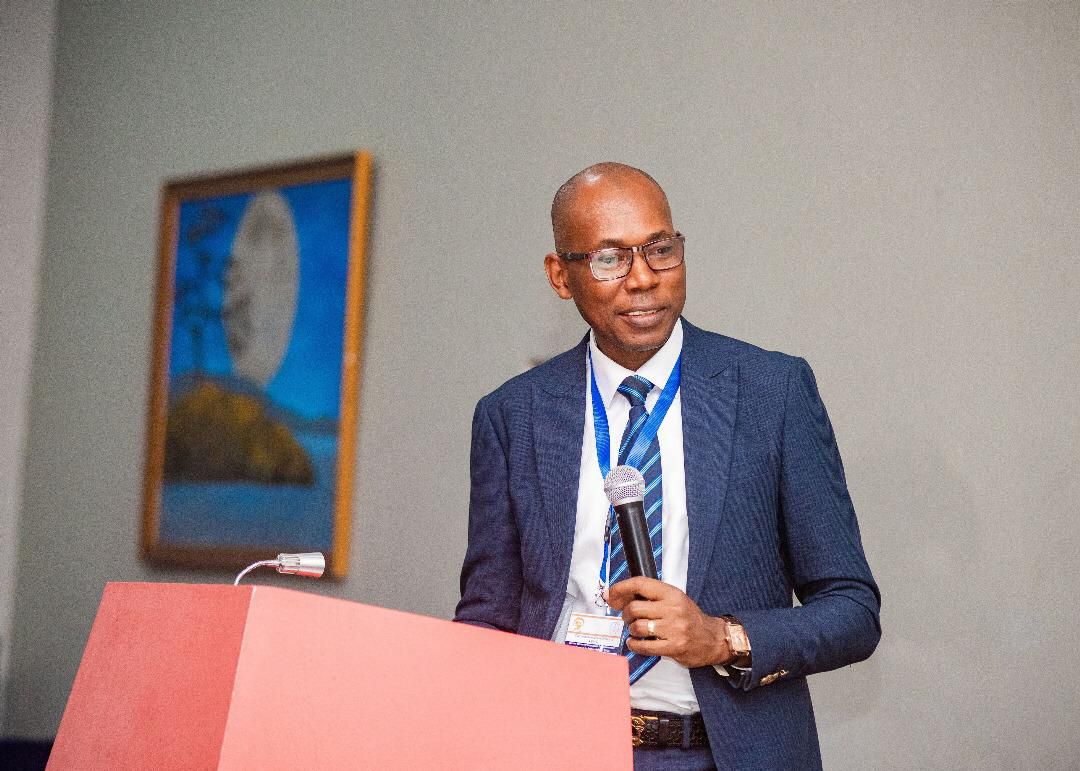


 PHwakawaka