UNMASKING THE MONEY TRAIL, ACCOUNTABILITY ISSUES, AND REPORTAGE ON NIGERIA’S OIL AND GAS SECTOR IS THE ROLE OF NIGERIAN JOURNALISTS AND MEDIA

By Lady Ejiro Umukoro

July 2024, marks the second year since the Petroleum Industry Act (PIA) was passed. Host
communities are yet to benefit from the 3% statutory allocation due to many communities.
To mark the significance of this year’s PIA and the role of journalists in demystifying the oil and
gas sector, the most shrouded industry in Nigeria, the Nigeria Union of Journalists are reminded
of their role following the training and public discussion by Lady Ejiro Umukoro, the Executive
Director of LightRay! Media.

In the complex landscape of Nigeria’s oil and gas industry, the role of the media has never been
more critical. As the country grapples with economic instability and socio-environmental
challenges, the need for effective and efficient reportage in this sector is paramount. Nigeria,
endowed with vast oil and gas reserves, relies heavily on this industry to fuel its economy.
However, despite its significant contributions, the sector remains marred by issues of mismanagement, corruption, and a lack of transparency. The Nigerian media, often referred to
as the Fourth Estate plays a crucial role in holding the industry accountable and ensuring that
the benefits of this natural wealth are felt by all citizens.

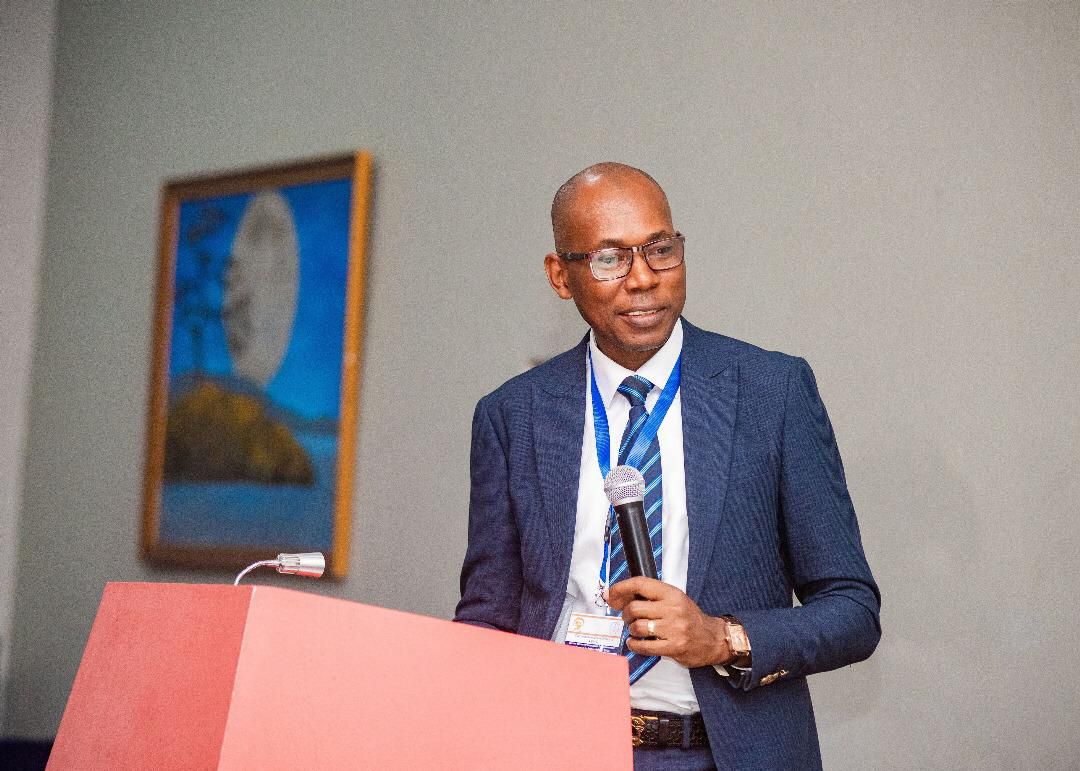
Lady Ejiro Umukoro, Executive Director of LightRay! Media, while delivering a lecture at the Nigerian Union of Journalists workshop in Delta, highlighted the urgent need for a paradigm shift
in how the media covers the oil and gas sector.
The workshop, titled “Repositioning the Mass Media for Effective and Efficient Reportage of Oil and Gas Industry in Modern Time,” aimed to address the pressing need for better media
coverage of the oil and gas sector, brought together journalists from across the country to discuss the challenges and opportunities in reporting on this critical industry.

Umukoro’s lecture emphasized the importance of distinguishing journalism from public relations and advertising, urging journalists to uphold the principles of truth, accountability, and civic duty. She pointed out that despite the oil and gas sector’s pivotal role in funding Nigeria’s
national budget, the media’s coverage has been inadequate, often failing to hold industry players
accountable for their actions. With 70% of revenues from crude oil reportedly not reinvested back into the country, there is a
pressing need for journalists to dig deeper, ask tougher questions, and ensure that the industry
operates transparently. In her words, she said “When 70% of money accrued from crude oil do not find their way back to the country, the media, which is the Fourth Estate, must do better to
follow the money trail to hold government accountable for the public good”, she asserted.

She made a strong case on the difference between journalism and other roles of communication
withing the media ecosystem, stating that “Journalism is not PR. PR is reputation and image management. Advertising is feasibility and sales. Nigerian journalists must learn to separate
these three,” she added. The Role and Responsibility of Journalists
Umukoro underscored the critical role of journalists in a democratic society, emphasizing their
duty to truth, facts, and accountability. “When you’re a journalist, you wear the garb of truth,
fact, unbiased reporting, accountability, solutions, and civic intelligence empowerment,” she
stated.

She disapproved the Nigerian media’s performance in the oil and gas sector, pointing out the lack of transparency and the resulting negative public perception. “The NNPCL, Chevron, Shell,
and other entities in the sector are seen as closed-off groups bleeding Nigeria to death while
plunging its citizens into poverty amidst vast wealth,” she stated.

According to Umukoro, journalists must embrace their role as truth-tellers, upholding principles of accountability, civic intelligence, and public good. She criticized the media’s performance in its failure to adequately cover and report on the oil and gas sector, highlighting the lack of
transparency and closed nature of the industry.
“We have enough data from within governments and businesses within this space that proves
the sector is the most closed off. This shouldn’t be, especially in a democracy,” she stated.

Journalists have a pivotal role in the oil and gas industry, acting as watchdogs, educators, and
advocates for transparency and accountability. In a sector that significantly influences Nigeria’s
economy, their responsibilities are multifaceted and crucial for fostering a well-informed public
and ensuring ethical practices within the industry.
Journalists must act as watchdogs, scrutinizing the activities of oil and gas companies and
government entities involved in the sector. This includes investigating and reporting on issues
such as mismanagement, corruption, and environmental degradation. By holding these entities accountable, journalists help ensure that the wealth generated from Nigeria’s natural resources
is managed responsibly and benefits the wider population.

A critical role of journalists is to educate and inform the public about the complexities of the oil and the gas industry. This involves breaking down technical jargon and presenting information in an
accessible, digestible, and shareable format that requires a unique set of storytelling to make reports on the oil and gas sector go viral to create citizens’ engagement and better transparency.
Journalists should provide comprehensive coverage of policies, laws, and industry practices,
enabling citizens to make informed opinions and decisions.

Economic Context and Challenges

Highlighting the economic implications, Umukoro explained that oil and gas revenues
significantly fund Nigeria’s budget. However, mismanagement and lack of reinvestment hinder
the country’s growth.
“Despite choosing democracy, which demands transparency and accountability, we see a lack of
open data and public access to information,” she remarked. This secrecy contributes to the negative perception of the oil and gas sector and undermines public trust. The country, blessed with abundant natural resources, relies heavily on the oil and gas sector, which accounts for about 90% of its export revenues and over 60% of government income according to research.

This financial dependency underscores the sector’s critical role in shaping the country’s
economic stability and growth.
The substantial revenue generated from oil and gas is intended to support various facets of
national development, including infrastructure, education, healthcare, and social services.

However, Umukoro pointed out that these funds often do not translate into tangible
improvements in these areas. The core issue lies in the systemic mismanagement and
misallocation of resources, where significant portions of oil revenues are lost to corruption and
inefficiency.

Mismanagement and Lack of Reinvestment
Umukoro emphasized that despite the enormous potential of oil and gas revenues to drive
economic growth, Nigeria faces persistent challenges due to the sector’s mismanagement.
Instead of reinvesting profits back into the economy to foster development, a large chunk of
these revenues are siphoned off through corrupt practices and unaccountable governance. This
diversion of funds results in a lack of reinvestment in critical infrastructure and services that
could propel the country forward.

For instance, the country’s refineries do not operate and are below capacity, necessitating the
import of refined petroleum products, which drains the economy further Additionally, the infrastructure within the oil-producing regions, such as roads, schools, and
hospitals, remains underdeveloped, exacerbating the disparity between the wealth generated by
the sector and the living conditions of the local populace.

Transparency and Public Trust

“Despite choosing democracy, which demands transparency and accountability, we see a lack of
open data and public access to information,” Umukoro remarked. This lack of transparency has
been a significant impediment to public trust.
In a democratic system, the public expects and deserves access to information about how
national resources are managed and utilized. However, the oil and gas sector in Nigeria is
notoriously opaque, with limited disclosure of financial transactions, contracts, and revenue
allocations.

This secrecy fuels public suspicion and perpetuates a negative perception of the sector. Citizens
often feel disconnected from the wealth generated by their country’s natural resources, leading
to disillusionment and scepticism about the benefits of the oil and gas industry.

The perception of the sector as a “closed-off group bleeding Nigeria to death” while ordinary
Nigerians struggle with poverty as a direct consequence of this lack of transparency.

Impact on Economic Growth and Development

The mismanagement and opacity in the oil and gas sector have broader implications for Nigeria’s
economic growth and development. When revenues are not reinvested effectively, it hampers
the country’s ability to build a diversified and resilient economy.
The over-reliance on oil and gas revenues makes Nigeria vulnerable to global oil price
fluctuations, which can lead to economic instability. Furthermore, the failure to invest in other critical sectors, such as agriculture, manufacturing, and technology, limits job creation and
sustainable economic development.

Environmental Journalism and Solutions

Umukoro delineated the various niches within environmental journalism, stressing the need for
comprehensive coverage of issues such as pollution, health impacts, and community effects.
She advocated for solutions journalism, which focuses on stories that drive positive change. “We
are not here to create false narratives. We are here to collaborate and work together for the
good of Nigeria,” she emphasized. She outlined key areas of focus:

• Climate: Pollution, weather impacts.
• Conservation: Deforestation, wildlife, water crises.
• Oil and Gas: Health and reproductive impacts, climate implications, pollution, host
communities, corporate social responsibility (CSR), policies, laws, and the impact on flora, fauna,
and tourism

A case study from Umukoro’s media tour revealed a significant gap in public awareness about the
Petroleum Industry Act (PIA). Despite its passage over a year ago, many Nigerians remain
unaware of its implications.
“The radio and TV audiences were clueless even though major news outlets had reported on it. The few who knew were shocked to know it’s already a year and yet not a single positive impact of the PIA can be recalled by the citizens,” she shared. This gap in awareness underscores the
need for more effective communication and engagement by the media.

Umukoro’s lecture called for urgent reforms in how the oil and gas sector is managed and
reported. She stressed the need for greater transparency, robust anti-corruption measures, and
effective reinvestment strategies to ensure that oil and gas revenues contribute meaningfully to
national development. The media has a pivotal role in advocating for these changes by providing
in-depth, investigative reporting that shines a light on the sector’s practices and holds
stakeholders accountable.

Collaboration and Community Engagement

Umukoro stressed the importance of collaboration between the media, communities, and the oil
and the gas industry. She called for increased engagement through public hearings, roundtables, and
town halls to foster understanding and accountability. “Communities and the oil and gas
industries need to think and work as a team. These are the new narratives we want to see and
read,” she advocated.
Umukoro further urged journalists to commit to higher standards of accountability and truthtelling, engaging deeply with communities to uncover impactful stories. “May 2024 be a new zest
of oil and gas reportage in Nigeria like never seen before to speak truth to power, raise the
standards of accountability, and improve the living standards across Nigeria,” she concluded.
The media plays a crucial role in fostering transparency and accountability in Nigeria’s oil and
gas sector. Journalists are encouraged to take inspiration from this workshop and strive for
excellence in their reporting, ultimately contributing to the country’s development and
prosperity. By embracing their role as truth-tellers and public advocates, Nigerian journalists can
help bridge the gap between the industry and the public, ensuring a more transparent and
accountable sector.
Addressing these economic challenges and fostering a more transparent and accountable oil and
gas industry, Nigeria can better harness its natural resources for the benefit of all its citizens,
promoting sustainable growth and development.

PRESS RELEASE ON : #ENDBADGOVERNANCE PROTEST IN NIGERIA.

2nd August, 2024

Day 1 of the
#EndBadGovernanace Protests: Refrain from Further Aggravation!

Global Rights calls on the Nigerian government to
respect its citizens’ right to protest and desist from further aggravating
protesters across the country. It also calls on protesters to be law-abiding
and peaceful in their conduct.

We note that the first day of the
#EndBadGovernance Protest was fraught with violence both on the side of the
government and protesters, with several incidents of violence and human rights
violations. Initial reports indicate that at least 20 people are dead following the protests.

The protests, which are a manifestation of
citizens’ frustration with the government and political class’
maladministration of the country’s assets, economy, and security, began on the 1st of August 2024 and its organisers
have estimated that it may last for 10 days.
economy, and security, began on the 1st of August 2024 and its organisershave estimated that it may last for 10 days.

have estimated that it may last for 10 days.

It is important to acknowledge that the
protesters are not being flippant. Nigeria is facing one of its worst
inflations, exacerbating the quality of life of more than 63% of its
population, which the nation’s Bureau of Statistics describes as being multidimensionally
poor. The inflation has aggravated the twin maladies of deprivation and
unemployment and further pushed large swaths of the population into unbearable
levels of poverty. The protests are
channels of citizens’ demand for accountability and for the fulfilment of the
government’s constitutional duty of ensuring the security and welfare of all
citizens(S14(2)(b) Constitution of the Federal Republic of Nigeria), and
ensuring that its policies are humane (S17(2)(c) Nigerian Constitution).

The government’s range of responses to the
protests have done little to restore trust or assuage their frustrations.
Rather than listen to their demands, it has for the past few weeks invested in
a plethora of activities to gag protesters through scare tactics, obtaining
court orders barring or limiting the freedom of assembly, and supporting
counter-protests against them even before they began.

Having been notified weeks before the protests,
the failure of the government to guarantee their right to dissent only worsened
an already precarious situation. For instance, nothing justifies the use of
live bullets in Kaduna, Niger, Kano, and Borno states when restless gatherings
could have been dispersed through less violent means. The result was the
avoidable killing of protesters in these places. We also noted the unlawful
arrest of peaceful protesters in Delta,Abuja, and Lagos states, and the unjustified use of teargas to disperse
protesters in Abuja and Niger state.

Abuja, and Lagos states, and the unjustified use of teargas to disperse
protesters in Abuja and Niger state.

Abuja, and Lagos states, and the unjustified use of teargas to disperse
protesters in Abuja and Niger state.

The media, constitutionally mandated to hold the
powerful accountable, were not spared. In Lagos and Abuja, some journalists
reported being barred by security agents from accessing protesters. Several
journalists including the Chair of the Nigerian Union of Journalists, Abuja
chapter, Mr. Jide Oyekunle, were harassed or detained. In some instances, their
phones and cameras were seized or destroyed.

While in most parts of the country, the protests
have been peaceful, there have been pockets of violence, with unscrupulous
elements taking advantage of the situation to loot and vandalize public
property, especially in Kano and Jigawa states.The situation in Kano degenerated into a riot, in which miscreants
destroyed public infrastructure and looted government buildings. Pockets of
protesters across the country were also aggravated by the response of law
enforcement agents to the protests, predictably inflaming an already tenuous
situation.

The situation in Kano degenerated into a riot, in which miscreants
destroyed public infrastructure and looted government buildings. Pockets of
protesters across the country were also aggravated by the response of law
enforcement agents to the protests, predictably inflaming an already tenuous
situation.

The situation in Kano degenerated into a riot, in which miscreants
destroyed public infrastructure and looted government buildings. Pockets of
protesters across the country were also aggravated by the response of law
enforcement agents to the protests, predictably inflaming an already tenuous
situation.

It is apparent to any keen observer that the
actions of the Government over the next few days will determine whether these
protests, which were intended to be peaceful, will become anarchic. The
Nigerian government will therefore be wise to change its posture and responses
to the protests. Protests are a universally recognized tool of social
engineering in a democracy. They are an expression of the freedom of
association, freedom of expression, and right to peaceful assembly. These
rights are guaranteed under Sections 39
and 40 of the 1999 Nigerian Constitution and in several human rights
instruments which Nigeria has ratified including Article 21 of the International Covenant on Civil and Political
Rights; and Article 11 of the African Charter on Human and People’s Rights.
Unfortunately, these rights are often glossed over when the Nigerian Government
crafts its response to protests. A similar response to the #ENDSARS protests in
2020 left at least 246 dead and at least 352 arrested. In order to navigate this
trajectory in the nation’s history without further damage to national cohesion,
it is our considered opinion that the Government must change course and adopt
the notion that even when protests become unruly and chaotic, the government’s
reaction must be
proportional and consistent with international human rights standards.

Rooted on
the foregoing, we issue the following advice to both the government and protesters:

  1. The immediate cessation of the use of fatal
    violence aimed at peaceful protesters by Nigerian security agents. The
    role of law enforcement in a democracy is not to clamp down on people
    exercising their right to dissent, but rather to ensure their peace and
    safety when they do so.
  • An immediate release of all peaceful protesters
    without preconditions.
  • Law enforcement should refrain from harassing
    or arresting the press while covering protests.
  • The police should abide by the playbook for
    protest which provides them with guidelines for respectful engagement with
    protesters.
  • Protesters should exercise their right to
    protest in a peaceful and lawful manner while being mindful of the lives
    and properties of their fellow citizens.
  • Protesters should refrain from unnecessarily
    aggravating law enforcement agents, who are only fellow citizens engaged
    in maintaining public order and peace.
  • Engender greater transparency and
    accountability in governance, and create stronger platforms for citizens
    to engage in their own governance.
  • Promote humane, pro-poor policies and urgently
    seek to address food insecurity.
  • Most importantly, rather than seek to quash
    protests, end bad governance, which is the true cause of the protests.

Global
Rights reiterates its commitment to promoting citizens’ rights to participate
in their own governance and their right to dissent. We sue all parties to
engage peacefully and respectfully. We remain committed to monitoring the
current protests and demanding accountability of all involved.

Signed by

Abiodun Baiyewu

Executive
Director

COMMUNIQUE AT THE 2024 SOUTH-SOUTH REGIONAL CONFERENCE FOR CIVIL SOCIETY ORGANIZATIONS IN CALABAR, NIGERIA.

By Global Rights Nigeria

COMMUNIQUE

Issued at the 2024 South-South Regional Conference on Improving Regulatory Environment for CSO Operations
in Nigeria

Calabar,

Cross River State Nigeria

Cross River State Nigeria

Background

Global Rights in collaboration with the Community
of
Practice (COP) on Civic Space Strengthening and the European

Union Delegation to Nigeria and ECOWAS convened

the 2024 South-South Regional Conference on Improving Regulatory Environment for CSO Operations
in
Nigeria. The theme of the conference
was “Forging Partnerships for Sustainable Operational Environment for
Non-Profit Sector
in Nigeria”. The hybrid event took place in Calabar, the Cross River State capital on the 27th of June
2024
with over 200 in-person

participants and over 50 virtual participants.

The conference was primarily focused on driving critical conversations among stakeholders on ways of improving the regulatory environment for
the non-profit
sector in Nigeria particularly to highlight
the
need for the harmonization of the CSO regulatory framework at the subnational levels to address
issues
such as the multiplicity of registration requirements with different MDAs. Also, the conference

further sought to facilitate a shared understanding of the opportunities in extant laws that could enhance CSO operations at the subnational level.
The Conference reflected
on efforts

to strengthen the civic space and
improve
the regulatory environment in
South-South Nigeria,
particularly through the project presently implemented by Global Rights in collaboration with the Community of Practice

on Civic Space Strengthening with support from the European Union Delegation to Nigeria and the
ECOWAS.

Participants at the conference:

Acknowledged
the pivotal role CSOs play in our society; agreeing that significant challenges
and
overbearing standards mark the landscape in which CSOs operate in Nigeria, particularly the regulatory multiplicity and registration requirements. They agreed to leverage a multi-sectoral

stakeholder engagement approach in facilitating a model framework
for
improving the regulatory environment for CSO operations in Nigeria.

Reckoned sustained support of the European Union
Delegation to Nigeria and ECOWAS and commended

the efforts of Global Rights

and the Community of Practice

(COP) on Civic Space
Strengthening and sustaining conversations
to promote an improved regulatory environment for
CSOs in Nigeria.
Underscored the need for the harmonization of regulatory frameworks at the subnational level.
The pivotal role of the legislature in facilitating an improved regulatory environment for CSO operation in Nigeria.

Furthermore, the conference recognize

The importance of forging partnerships between the Arms of government and civil society
organizations
in strengthening the ethos of democracy in Nigeria.
That the
multiplicity of registration requirements serves as a major bottleneck to the
operation
of CSOs, especially at subnational levels.

The imperativeness of improving CSO regulatory framework through effective policy

and legislations
That the convergence
of processes
for registration eliminates multiplicity, reducing costs
and
enhancing accountability and transparency. This partnership will
further infer trust, confidence, and credibility on the State.
The imperative of co-creating regulatory framework with inputs of civil society organizations.

That the Constitutional right to freedom of association lies central to the efforts of CSOs to improve

their ability to operate in Nigeria.


The limitation CSOs registered at the subnational level face in accessing funds and attracting

recognition from financial institutions.


That CSOs in the South-South region face the particular challenge of accessing government

offices to obtain relevant documents necessary for obtaining funding.


The challenges

posed by inadequate resources and funding of the CSO sector.


The lack of institutionalized framework for
coordination of CSO interventions at the subnational level.


The recent and
developing
practice of excluding State
and
Local Government registered CSOs from access to

bank accounts and, by
implication,
other financial services. This
is a
result of SCUML’s decision to discontinue its
onboarding/issuing of SCUML’s certificate to State/Local
Government registered CSOs.

Conference

Resolutions

Having acknowledged the value CSOs bring and the role they play in fostering democracy, promoting

social justice, driving development and facilitating social change, and recognizing the overbearing

standards and regulatory bottlenecks that hinder the effective operation of CSOs, the conference

resolved as follows:


1)


The governments including the executive, legislature, and judiciary in the south-south region

will work in harmony with the civil
society organizations to adopt a regulatory framework that
allows a single MDA

to register CSOs
in
the States such a model will promote the accessibility needed for improving

the regulatory environment for CSO operations.


2)


All stakeholders including the regulators, CSOs, legislature, and donor agencies commit to drive the process of developing a model harmonization policy or law for CSO registration
requirements at the state level
with input from all
relevant stakeholders which will not only enhance
the operational effectiveness and efficiency of the sector but also provide opportunity to the state government to coordinate CSOs interventions within the state better.


3)

To promote

holistic inclusion in efforts to improve the regulatory environment for CSOs including paying attention to key actors, gender,
disability
and other parameters

for inclusion including

access to bank accounts and other financial services by State/Local Government

registered CSOs).

Conference

Recommendations

The Conference consequently proffered the following recommendations:


1.


A mutually beneficial relationship between the arms and three tiers of government with civil society organizations playing pivotal roles in national development.


2.


Harmonizing regulatory
compliance requirements
and identifying
a unanimously agreed single body responsible for registering CSOs in the State to avoid multiplicity of registration and
regulations.


3.


Improved collaboration between the State and CSOs to foster the implementation of their
plans
and programs,

including financing CSOs.


4.

Enhanced collaboration between

the State and CSOs to drive the process of developing a model

framework that would

improve the regulatory environment for CSO operations in Nigeria.


5.

Deemphasizing

the multiplicity of registration requirements within the State,

to ensure accessibility, centralization, and simpler
regulatory
compliance

requirements.


6.

The legislature should

work in concert with the office of the Commissioner of Justice to propose a bill to confer body corporate to organizations registered at the state and local government
levels based on the provisions of the 1999 Constitution, the judicial precedent
set
by the Court of Appeal and the principle of federalism operating in Nigeria.


7.


An amendment to the Constitution to remove the ambiguity of Item 32 Part 1 of the second

schedule. The focus

on Item 32 should be examined through

this lens to ensure simpler registration and regulatory requirements for CSO operations.

Conclusion

The 2024 South-South Regional Conference on Improving Regulatory Environment for CSO Operations

in Nigeria was a great opportunity for continued engagements between the
various arms of government, donor communities, the private sector, and Civil Society Organizations. The conference

allowed the stakeholders to define a model for facilitating enhanced

collaboration between the regulators, policy/lawmakers, and CSOs.

It is expected that if adopted, it will lessen

the burden associated

with compliance. The Conference gave all stakeholders the opportunity to discuss their concerns

and proffer sustainable
solutions
to improving the regulatory framework for a
sustained
CSO operational environment.

The participants at the 2024 South-South Regional Conference on Improving Regulatory Environment

for CSO Operations in Nigeria, outlined

in this communiqué the need to improve

the regulatory environment for CSO operations in Nigeria.

Conference Participants

The conference served as a
convergence
point, bringing together an array of stakeholders,
including civil
society organizations, government representatives
including the office of
the Governor of Cross River, Office of the Chief Judge of Cross
River State,
Office of the Secretary to the Cross
River State Government,
Office of the First Lady of Cross River State, the Clerk of the Cross River State House of Assembly, Cross River State House Committee on Due Process, Anti-Corruption, International Donor Support,

and SDGs, Cross River
State
Ministry of Women Affairs, Akwa Ibom
State Ministry
of Women Affairs and Social Welfare,

Cross River State Ministry of Humanitarian Affairs,

Cross River State Ministry of Social Welfare and
Development, Cross River State Ministry of International Donor Coordination, Federal Inland Revenue Service (FIRS), Corporate Affairs Commission (CAC), House of Representative Committee on Civil Society

Organizations and Development Matters, and donor agencies including the European Union Commission and Ford Foundation.

Civil Society Organizations and Networks that participated in the south-south regional conference
include:


1.


African Child Initiative


2.


African Potential Developers Initiative


3.


Arc Initiative Africa


4.


Advocacy for Women with Disabilities Initiative


5.


Advocates of Peace, Nature and Gender Justice (APNAG)


6.


Akwamfon
Sustainable
Community

Association


7.


Alive for Health and Progress Initiative


8.


Atycare Initiative


9.


A Well-informed Adolescent Initiative


10.


Sustainable Movement for Equity


11.


Basic Foundation for Socio-Economic
Development
of Rural Women and Youths


12.


BenCare Foundation


13.


Behind Bars Human Rights Foundation


14.


Bestway Initiative

for Health Education and Self-sufficiency


15.


Biakwan Light Green Initiative


16.


Biodiversity Rescue Club


17.


Breaking

Barriers Against Persons with Disabilities and Women


18.


Centre for Creative

Development Strategies (CCDS)


19.


Center for Development Support Initiatives (CEDSI)


20.


Centre for Justice

Empowerment and Development


21.


Centre for Healthworks, Development and Research Initiative (CHEDRES)


22.


Centre for Peace
Education
and Community

Development


23.


Child Protection

Network (CPN) Nigeria, Cross River State


24.


Citizen Community Aid and Development initiative


25.


Citizen Solution Network


26.


Civil Society National Self-Regulation Council (CNSRC)


27.


Clean Technology

Hub


28.


CLEEN Foundation


29.


Coalition

of Youth Advocates on Electioneering in Nigeria


30.


Community of Practice on Civic Space Strengthening


31.


Community Resource Development Foundation (CREDEF)


32.


COMPPART

Foundation for Justice and Peace Building


33.


Connected

Advocacy


34.


Cross River State Civil Society Network


35.


CSO Accountability and Transparency Initiative (CATI)


36.


Development Research and Synergy Initiative


37.


Ebase Sam Foundation


38.


Edem Children Foundation (ECF)


39.


Egbema

Clean and Green Initiative


40.


Emerging

Gender Plus Outreach Team (EGOT)


41.


Environmental Development Initiative (EDI)


42.


FACICP Disability Plus


43.


Fringe Voices Development Foundation


44.


Frontier

for Peace Advocacy and Governance Initiative


45.


Forther

Girls Empowerment organization


46.


Gender and Development Action


47.


Girls Power Initiative (GPI) Calabar


48.


Global Rights


49.


Go Learners


50.


Great Step Initiative


51.


Green Concern for Development


52.


Green Hands International for Health Development


53.


Greenlife Organization


54.


Green Vision for Community

Development Initiative


55.


Habitat Protection

and Sustainable Development Initiative


56.


Hazethal

Women Foundation (HWF)


57.


Health of Mother Earth Foundation (HOMEF)


58.


Hope Ability

Empowerment Initiative


59.


Hope for Coastal Women Empowerment Initiative


60.


IBDN


61.


Initiative

for Community Development (ICD)


62.


Initiative for Contemporary Rights


63.


Jeksume Foundation Nigeria


64.


Justice Development

and Peace Caritas, Calabar


65.


Lawrence

Igbudu Foundation


66.


League of Women Voters of Nigeria (NILOWV)


67.


Lekah Development Foundation


68.


Lemu Charity Foundation


69.


Life Assurance

for Future Initiative


70.


Life Empowerment Foundation


71.


Lighthope

Succor Worldwide initiative


72.


Liman Iwara Foundation

(LIFO)


73.


LITE-Africa


74.

MAAG Africa


75.


Milestone

Initiative for Human Rights and Empowerment


76.

MIND Initiative


77.


Mirabel

Centre


78.


Neighbourhood Environment Watch (NEW) Foundation


79.


New Nigeria

Foundation


80.


Noble Classic


81.


Ofure Centre for Peace and Development


82.


Omoye Women and Youth Foundation


83.


Onyx Foundation Africa


84.


Panacea

for Development and Infrastructural Challenges for African Initiative (PADIC Africa)


85.


Partners For Peace in the Niger Delta


86.


Partnership

for Social and Development Initiative (P4SEDI)


87.


Peace Point Development


88.


Peace Mindset

Ambassadors


89.


Policy Alert


90.


Preventive Youths for Empowerment Network


91.


Psychomodelling Health and Wellness Initiative


92.


Quest For Growth and Development Foundation


93.


Rainbow Watch and Development Centre


94.


Rebuilders Foundation


95.


Refugee ICT Livelihood Initiative


96.


Rights Academy


97.


Rights and

Humanity Development Initiative


98.


Rubies Development Foundation


99.


Safe Space Development Foundation


100.

SBM Intelligence


101.


Search for Common Ground


102.


Spaces for Change


103.


Sterling Diamond Foundation


104.


Support for Girls Boys and Women Initiative (SUGBW)


105.


Support Persons in Trauma Initiative


106.

Surge Africa Organization 107.Sustainable Movement for Equity


108.


The Green Child International Organization


109.


Transparency Elderly Care


110.


VaccidriveNG


111.


Vitonia Lead International Foundation


112.


WANEP


113.


We the People


114.


White Ribbon Alliance

for Safe motherhood


115.


Women Assist Foundation


116.


Women Empowerment and Rights Initiative (WERI)


117.


Women for Environmental Protection and Food
Security


118.


Women in Disabilities for Innovation


119.


Women Youths and Aged Succour Foundation


120.


World Leadership Network


121.


Youths and Environmental Advocacy Center


122.


Youth for Change and Social Life Development Foundation


123.


Youth Torch
Initiative (YOTI)

PRESS STATEMENT: THE RIGHT TO PEACEFUL PROTEST IN NIGERIA!

For Immediate Release

29 July 2024

Press Statement

The
Right to Peaceful Protest: A Pillar of Democratic Governance as
Constitutionally Guaranteed

Abuja,
Nigeria:
In light of recent events and ongoing discussions
surrounding the appropriateness of citizens expressing their dissatisfaction
with government policies and actions, we, the undersigned civil society
organisations, are compelled to reaffirm the fundamental right of citizens to
peaceful protest as a fundamental pillar of democratic governance. This right
is a cornerstone of any democratic society and a critical means for citizens to
express their dissatisfaction, demand accountability, and advocate for change.

Protesting is a legitimate form of expression enshrined in international human rights instruments,
including the Universal Declaration of Human Rights (UDHR), the International
Covenant on Civil and Political Rights, the African Charter on Human and
Peoples’ Rights, and Nigeria’s 1999 Constitution (as amended), among others.
It allows citizens
to publicly voice their concerns, challenge injustices, and participate actively

in
the democratic process.

Protests serve as
a vital mechanism for holding leaders accountable and ensuring that government
actions reflect the will and needs of the people. History has shown that
protests can lead to significant changes in government policies, processes and
practices, highlighting the power of collective action to address grievances
and promote good governance.

While
the right to protest is a fundamental principle of democratic nations,
we concede that it must be exercised peacefully and responsibly without
violating the rights of others
. Accordingly, we urge all parties

engaged, including protest

organisers, participants,
and law enforcement agencies, to prioritise safety and the rule of law. Law enforcement
has a
duty to safeguard protesters while upholding public order. Demonstrators
must
avoid activities that might exacerbate tensions, cause unrest or threaten
public safety.

Attempts to
suppress demonstrations through intimidation, excessive use of force, or unjust
legal actions are unacceptable and counterproductive. Every protest is deemed peaceful, and if intelligence
indicates otherwise, it is the role of the appropriate government agencies to
identify such saboteurs and arrest them immediately. Arresting protest
organisers shows a lack of understanding of the enemies of the state.

We urge the
Nigerian Judiciary and the National Human Rights Commission (NHRC) to uphold
the rights of all protesters and establish a mechanism to promptly address and
dismiss oppressive charges that may arise from these protests.

The demands
include reducing the cost of living, curbing insecurity, reducing the cost of
governance, electoral reform, judicial reform, and constitutional reform, which
are all recurring themes in Nigeria’s journey towards a healthy democracy.

We reaffirm our
commitment to the principles of democracy and human rights and stand in
solidarity with those who decided to exercise the right to peaceful protest.

We encourage all
citizens to actively participate in shaping a just and accountable society, and
we call on all stakeholders to uphold the principles of democracy, human
rights, and the rule of law.

Signed:

1.


21st Century Community Empowerment for Youth and Women Initiative

2.

Accountability

Lab Nigeria

3.


Africa Institute for Energy Governance (AFIEGO) Uganda

4.


BudgIT Foundation

5.


Centre for Accountability and Inclusive Development (CAAID)

6.


Centre for Inclusive Social Development (CISD)

7.


Centre for Journalism Innovation and Development (CJID)

8.


Civil Society Legislative Advocacy Centre (CISLAC)

9.


Dataphyte Foundation

10.

DigiCivic

Initiative

11.

Enough is Enough

(EiE) Nigeria

12.

Farnnel

Women Foundation

13.

Gee Foundation

for Social Justice and Development

14.

Global Rights

15.

Health Education

and Human Rights Advocacy Initiative (HEHRAI)

16.

HIFWAC Relief

17.

Hope Behind Bars Africa

18.

Institutional and Sustainable Development Foundation ( ISDF)

19.

International Peace and Civic Responsibility Centre (IPCRC)

20.

International Press Centre (IPC)

21.

Invictus Africa

22.

Kilimanjaro Youth Foundation

23.

Media Rights Agenda (MRA)

24.

Mothers United

and Mobilised

25.

Nigeria Network

of NGOs

26.

Paradigm

Initiative (PIN)

27.

Policy Alert

28.

Public and Private Development Centre (PPDC)

29.

Research

Centre for Development Action

30.

Rule of Law and Accountability Advocacy

Centre (RULAAC)

31.

Sesor Empowerment Foundation

32.

TechHer NG

33.

The
Meluibe Empowerment Foundation

34.

We the People

35.

WikkiTimes

36.

Women Advocates

Research and Documentation Centre (WARDC)

37.

Yiaga Africa

2

Abuja: edosao@globalrights.org; odeh@accountabilitylab.org | Lagos: edet@mediarightsagenda.org; yemi@eienigeria.org

PRESS STATEMENT: NIGERIA MINERALS AND MINING ACT (AMENDMENT) BILL 2023

The Federation of Nigerian Mining Host Communities and its civil society
partners applaud recent attempts by the National Assembly, particularly the
efforts of the House Committee on Solid Minerals to amend the Minerals and
Mining Act of 2007, in an attempt to strengthen the legal and policy frameworks
to ensure the equitable distribution of benefits derived from the sector.

Previous to the current
bill Minerals and Mining (Repeal and Re-Enactment) Bill, 2023, we had on
numerous occasions advocated for the Act to be amended, particularly to reflect
the intent of Section 17(2)(d) of the Nigerian Constitution which provides that
“the exploitation of human or natural resources in any form whatsoever for
reasons,other than the good of the community, shall be prevented;” and Section
14(2)(b)and (c) of the constitution which states that the security and welfare
of the people shall be the primary purpose of government, and that “the
participation by the people in their government shall be ensured in accordance
with the provisions of this Constitution”.


In the light of these constitutional provisions, at the public hearing, we and
our civil society partners advocated for the following amendments, and are
holding this press conference to reiterate our stance. They are as follows:

1. The security
and welfare of mining host communities are critical
and must be reflected
throughout the amended Minerals and Mining Act. In particular, we called for:

2. The expansion of
Environmental Impact Assessments to Environmental and Social Impact
Assessments.

In addition to this, we
propose that the bill make a provision that compels artisanal and licensed
operators to conduct and publish bi-yearly impact reports of their mining
activities as a requirement for their continued mining operations with clear
penalties for default.

3.Inclusion of Civil
Society Organizations and Mining Host Communities in state MIREMCOs.
The proposed Section 9
which seeks to amend Section 19 of the Principal Act should be amended to
include a rotation of representatives of civil society organizations and mining
host communities as members of the Mineral Resources and Environmental Management
Committee(MIREMCO). This inclusion would foster greater transparency,
accountability,and community participation in decision-making processes. In
addition to having a representative of affected mining host communities and
CSOs, at each sitting where issues that impact their communities are discussed
as active participants in the process.

4.Chairmanship of, and
Acknowledgment of State Autonomy in MIREMCO.
We commend the proposed
amendment to Section 19(2)a of the Principal Act which gives the chairman of
MIREMCO to the State Commissioner of Solid Minerals and the autonomy granted to
state governments in MIREMCO is commendable, as it enables tailored approaches
to address regional challenges and priorities within the mining sector.
However, the problem of the funding of state MIREMCOs still exist and was not
properly addressed in the proposed amendment. We therefore recommend that
funding of state MIREMCOs should be housed in the Central Bank of Nigeria which
is independent of the State and Federal arms of Government.

5.Clarity and
Specificity on the definition of the term “Community”.
We also advocate
that this term to be inclusive of affected communities.

6.Clarity and
specificity of the term ‘Community Development Associations’.
The proposed
Section 33 which seeks to amend Section 116 of the Principal Act should be
amended to recognize that not all communities have an‘organised’ existing
community development association. As such, ‘association’as stated in this
subsection must be verified and approved by the state, with executive members
elected by members of the community, to be regarded as legitimate stakeholders
in the mining sector and authorised to receive the 5%derivative from mining.
This measure would ensure that there is a standard set for these associations
and to curb the issue of multiple associations claiming the right to receive
the 5% derivative. More so, the law needs more clarity on what the Community
Development Association is composed of, and what they would do with the
funds/the formula for utilizing the funds and ensuring transparency.

Also,determining the
leadership of the community with the authority to sign a CDA is another
consideration that must be had. State governments should ensure that host
communities are active participants in the Environmental and Social Assessment
process, and are equipped with access to the services of a lawyer,an
environmental impact expert, and a non-profit organization able to advise them
and vet agreements, to ensure their free, prior and informed consent before
agreements are entered into. Furthermore, wide consultations with all segments
of the community must also be reflected as having agreed to the terms of the
CDA before it is entered as signed.

7. Community
Development Agreements(CDAs).
CDAs do not presently
reflect environmental and social impact assessments or their recommendations.
Free, prior, informed consent must also be sought with the full import of the
EIA explained to the community before they agree on the terms of the CDA.

8.Regulation of
Artisanal and Small-Scale Mining.
We commend the inclusion of specific
provisions aimed at regulating the Artisanal and Small-Scale Mining Sector.More
than 80% of solid mineral mining in Nigeria is artisanal in nature.Effective
regulation is essential to promoting responsible mining practices and
safeguarding the environment and the rights of mining host communities. We
therefore recommend the development of artisanal mining regulation code in this
regard.

9.Separation of
regulatory and administrative functions of the ministry.
The ministry of
solid mineral development is currently saddled with the responsibility of
regulation and administration. We therefore recommend that these roles be
separated with the ministry solely responsible for the administrative functions
under the mineral and mining Act while the regulatory function be moved to a
unit created at the Federal Ministry of Environment.

10.Derivative Allocation
for Mining Host Communities.
We recommend the inclusion of the provision of a 5%
derivative for mining host communities, separate from the 13% allocation to the
state recognizing the integral role in mineral resource extraction and the need
for equitable Benefit-sharing.

11.Inclusivity in Board
and Committee Composition.
We recommend that the bill make deliberate provision for
gender, youths and persons with disability in the constitution of all boards
and committees established under the Act. This will ensure diverse perspectives
and representation, contributing to more balanced decision-making processes.

12.Completion of Social
and Environmental Impact Assessments before Issuance of Licenses.
We recommend that
the proposed bill amend relevant sections of the Principal Act to ensure
exploration title holders fully complete Environmental Impact Assessment before
mining licenses are granted.

Conclusion

The Federation of
Nigerian Mining host communities and its civil society partners commend the
efforts of the National Assembly to introduce legal reforms aimed at ensuring
equitable governance of the solid mineral sector. We insist that the proposed
amendments to the Act must better serve the interests of all stakeholders,
particularly mining host communities, promote sustainable development in the
mining sector and contribute to the socioeconomic advancement of our nation.

Signed,

● All state chapters of
The Federation of Nigerian Mining Host Communities


Centre for Community Excellence (CENCEX)


Change Partners International


Global Rights


Heroine Women Foundation


Initiative for Social Development


Keberkache Women Development & Resource Centre


Keen and Care Initiative


Methodist Care and Development Trust

● Neighbourhood
Environment Watch (NEW) Foundation


New Generation and Social Development Initiative


Srarina Initiative for Peace Justice and Development


Stephanie Peace Building & Development Foundation (SPADEV)


Trees on Earth Development Foundation


Urban Alert


Women in Extractives


Women in Mining in Nigeria


Women Inspiration Development Centre


Ziva Community Initiative

COMMUNIQUE AT THE 2024 SOUTH-SOUTH REGIONAL CONFERENCE FOR CIVIL SOCIETY ORGANIZATIONS IN CALABAR, NIGERIA.

By Global Rights Nigeria

COMMUNIQUE

Issued at the 2024 South-South Regional Conference on Improving Regulatory Environment for CSO Operations
in Nigeria

Calabar,

Cross River State Nigeria

Cross River State Nigeria

Background

Global Rights in collaboration with the Community
of
Practice (COP) on Civic Space Strengthening and the European

Union Delegation to Nigeria and ECOWAS convened

the 2024 South-South Regional Conference on Improving Regulatory Environment for CSO Operations
in
Nigeria. The theme of the conference
was “Forging Partnerships for Sustainable Operational Environment for
Non-Profit Sector
in Nigeria”. The hybrid event took place in Calabar, the Cross River State capital on the 27th of June
2024
with over 200 in-person

participants and over 50 virtual participants.

The conference was primarily focused on driving critical conversations among stakeholders on ways of improving the regulatory environment for
the non-profit
sector in Nigeria particularly to highlight
the
need for the harmonization of the CSO regulatory framework at the subnational levels to address
issues
such as the multiplicity of registration requirements with different MDAs. Also, the conference

further sought to facilitate a shared understanding of the opportunities in extant laws that could enhance CSO operations at the subnational level.
The Conference reflected
on efforts

to strengthen the civic space and
improve
the regulatory environment in
South-South Nigeria,
particularly through the project presently implemented by Global Rights in collaboration with the Community of Practice

on Civic Space Strengthening with support from the European Union Delegation to Nigeria and the
ECOWAS.

Participants at the conference:

Acknowledged
the pivotal role CSOs play in our society; agreeing that significant challenges
and
overbearing standards mark the landscape in which CSOs operate in Nigeria, particularly the regulatory multiplicity and registration requirements. They agreed to leverage a multi-sectoral

stakeholder engagement approach in facilitating a model framework
for
improving the regulatory environment for CSO operations in Nigeria.

Reckoned sustained support of the European Union
Delegation to Nigeria and ECOWAS and commended

the efforts of Global Rights

and the Community of Practice

(COP) on Civic Space
Strengthening and sustaining conversations
to promote an improved regulatory environment for
CSOs in Nigeria.
Underscored the need for the harmonization of regulatory frameworks at the subnational level.
The pivotal role of the legislature in facilitating an improved regulatory environment for CSO operation in Nigeria.

Furthermore, the conference recognize

The importance of forging partnerships between the Arms of government and civil society
organizations
in strengthening the ethos of democracy in Nigeria.
That the
multiplicity of registration requirements serves as a major bottleneck to the
operation
of CSOs, especially at subnational levels.

The imperativeness of improving CSO regulatory framework through effective policy

and legislations
That the convergence
of processes
for registration eliminates multiplicity, reducing costs
and
enhancing accountability and transparency. This partnership will
further infer trust, confidence, and credibility on the State.
The imperative of co-creating regulatory framework with inputs of civil society organizations.

That the Constitutional right to freedom of association lies central to the efforts of CSOs to improve

their ability to operate in Nigeria.


The limitation CSOs registered at the subnational level face in accessing funds and attracting

recognition from financial institutions.


That CSOs in the South-South region face the particular challenge of accessing government

offices to obtain relevant documents necessary for obtaining funding.


The challenges

posed by inadequate resources and funding of the CSO sector.


The lack of institutionalized framework for
coordination of CSO interventions at the subnational level.


The recent and
developing
practice of excluding State
and
Local Government registered CSOs from access to

bank accounts and, by
implication,
other financial services. This
is a
result of SCUML’s decision to discontinue its
onboarding/issuing of SCUML’s certificate to State/Local
Government registered CSOs.

Conference

Resolutions

Having acknowledged the value CSOs bring and the role they play in fostering democracy, promoting

social justice, driving development and facilitating social change, and recognizing the overbearing

standards and regulatory bottlenecks that hinder the effective operation of CSOs, the conference

resolved as follows:


1)


The governments including the executive, legislature, and judiciary in the south-south region

will work in harmony with the civil
society organizations to adopt a regulatory framework that
allows a single MDA

to register CSOs
in
the States such a model will promote the accessibility needed for improving

the regulatory environment for CSO operations.


2)


All stakeholders including the regulators, CSOs, legislature, and donor agencies commit to drive the process of developing a model harmonization policy or law for CSO registration
requirements at the state level
with input from all
relevant stakeholders which will not only enhance
the operational effectiveness and efficiency of the sector but also provide opportunity to the state government to coordinate CSOs interventions within the state better.


3)

To promote

holistic inclusion in efforts to improve the regulatory environment for CSOs including paying attention to key actors, gender,
disability
and other parameters

for inclusion including

access to bank accounts and other financial services by State/Local Government

registered CSOs).

Conference

Recommendations

The Conference consequently proffered the following recommendations:


1.


A mutually beneficial relationship between the arms and three tiers of government with civil society organizations playing pivotal roles in national development.


2.


Harmonizing regulatory
compliance requirements
and identifying
a unanimously agreed single body responsible for registering CSOs in the State to avoid multiplicity of registration and
regulations.


3.


Improved collaboration between the State and CSOs to foster the implementation of their
plans
and programs,

including financing CSOs.


4.

Enhanced collaboration between

the State and CSOs to drive the process of developing a model

framework that would

improve the regulatory environment for CSO operations in Nigeria.


5.

Deemphasizing

the multiplicity of registration requirements within the State,

to ensure accessibility, centralization, and simpler
regulatory
compliance

requirements.


6.

The legislature should

work in concert with the office of the Commissioner of Justice to propose a bill to confer body corporate to organizations registered at the state and local government
levels based on the provisions of the 1999 Constitution, the judicial precedent
set
by the Court of Appeal and the principle of federalism operating in Nigeria.


7.


An amendment to the Constitution to remove the ambiguity of Item 32 Part 1 of the second

schedule. The focus

on Item 32 should be examined through

this lens to ensure simpler registration and regulatory requirements for CSO operations.

Conclusion

The 2024 South-South Regional Conference on Improving Regulatory Environment for CSO Operations

in Nigeria was a great opportunity for continued engagements between the
various arms of government, donor communities, the private sector, and Civil Society Organizations. The conference

allowed the stakeholders to define a model for facilitating enhanced

collaboration between the regulators, policy/lawmakers, and CSOs.

It is expected that if adopted, it will lessen

the burden associated

with compliance. The Conference gave all stakeholders the opportunity to discuss their concerns

and proffer sustainable
solutions
to improving the regulatory framework for a
sustained
CSO operational environment.

The participants at the 2024 South-South Regional Conference on Improving Regulatory Environment

for CSO Operations in Nigeria, outlined

in this communiqué the need to improve

the regulatory environment for CSO operations in Nigeria.

Conference Participants

The conference served as a
convergence
point, bringing together an array of stakeholders,
including civil
society organizations, government representatives
including the office of
the Governor of Cross River, Office of the Chief Judge of Cross
River State,
Office of the Secretary to the Cross
River State Government,
Office of the First Lady of Cross River State, the Clerk of the Cross River State House of Assembly, Cross River State House Committee on Due Process, Anti-Corruption, International Donor Support,

and SDGs, Cross River
State
Ministry of Women Affairs, Akwa Ibom
State Ministry
of Women Affairs and Social Welfare,

Cross River State Ministry of Humanitarian Affairs,

Cross River State Ministry of Social Welfare and
Development, Cross River State Ministry of International Donor Coordination, Federal Inland Revenue Service (FIRS), Corporate Affairs Commission (CAC), House of Representative Committee on Civil Society

Organizations and Development Matters, and donor agencies including the European Union Commission and Ford Foundation.

Civil Society Organizations and Networks that participated in the south-south regional conference
include:


1.


African Child Initiative


2.


African Potential Developers Initiative


3.


Arc Initiative Africa


4.


Advocacy for Women with Disabilities Initiative


5.


Advocates of Peace, Nature and Gender Justice (APNAG)


6.


Akwamfon
Sustainable
Community

Association


7.


Alive for Health and Progress Initiative


8.


Atycare Initiative


9.


A Well-informed Adolescent Initiative


10.


Sustainable Movement for Equity


11.


Basic Foundation for Socio-Economic
Development
of Rural Women and Youths


12.


BenCare Foundation


13.


Behind Bars Human Rights Foundation


14.


Bestway Initiative

for Health Education and Self-sufficiency


15.


Biakwan Light Green Initiative


16.


Biodiversity Rescue Club


17.


Breaking

Barriers Against Persons with Disabilities and Women


18.


Centre for Creative

Development Strategies (CCDS)


19.


Center for Development Support Initiatives (CEDSI)


20.


Centre for Justice

Empowerment and Development


21.


Centre for Healthworks, Development and Research Initiative (CHEDRES)


22.


Centre for Peace
Education
and Community

Development


23.


Child Protection

Network (CPN) Nigeria, Cross River State


24.


Citizen Community Aid and Development initiative


25.


Citizen Solution Network


26.


Civil Society National Self-Regulation Council (CNSRC)


27.


Clean Technology

Hub


28.


CLEEN Foundation


29.


Coalition

of Youth Advocates on Electioneering in Nigeria


30.


Community of Practice on Civic Space Strengthening


31.


Community Resource Development Foundation (CREDEF)


32.


COMPPART

Foundation for Justice and Peace Building


33.


Connected

Advocacy


34.


Cross River State Civil Society Network


35.


CSO Accountability and Transparency Initiative (CATI)


36.


Development Research and Synergy Initiative


37.


Ebase Sam Foundation


38.


Edem Children Foundation (ECF)


39.


Egbema

Clean and Green Initiative


40.


Emerging

Gender Plus Outreach Team (EGOT)


41.


Environmental Development Initiative (EDI)


42.


FACICP Disability Plus


43.


Fringe Voices Development Foundation


44.


Frontier

for Peace Advocacy and Governance Initiative


45.


Forther

Girls Empowerment organization


46.


Gender and Development Action


47.


Girls Power Initiative (GPI) Calabar


48.


Global Rights


49.


Go Learners


50.


Great Step Initiative


51.


Green Concern for Development


52.


Green Hands International for Health Development


53.


Greenlife Organization


54.


Green Vision for Community

Development Initiative


55.


Habitat Protection

and Sustainable Development Initiative


56.


Hazethal

Women Foundation (HWF)


57.


Health of Mother Earth Foundation (HOMEF)


58.


Hope Ability

Empowerment Initiative


59.


Hope for Coastal Women Empowerment Initiative


60.


IBDN


61.


Initiative

for Community Development (ICD)


62.


Initiative for Contemporary Rights


63.


Jeksume Foundation Nigeria


64.


Justice Development

and Peace Caritas, Calabar


65.


Lawrence

Igbudu Foundation


66.


League of Women Voters of Nigeria (NILOWV)


67.


Lekah Development Foundation


68.


Lemu Charity Foundation


69.


Life Assurance

for Future Initiative


70.


Life Empowerment Foundation


71.


Lighthope

Succor Worldwide initiative


72.


Liman Iwara Foundation

(LIFO)


73.


LITE-Africa


74.

MAAG Africa


75.


Milestone

Initiative for Human Rights and Empowerment


76.

MIND Initiative


77.


Mirabel

Centre


78.


Neighbourhood Environment Watch (NEW) Foundation


79.


New Nigeria

Foundation


80.


Noble Classic


81.


Ofure Centre for Peace and Development


82.


Omoye Women and Youth Foundation


83.


Onyx Foundation Africa


84.


Panacea

for Development and Infrastructural Challenges for African Initiative (PADIC Africa)


85.


Partners For Peace in the Niger Delta


86.


Partnership

for Social and Development Initiative (P4SEDI)


87.


Peace Point Development


88.


Peace Mindset

Ambassadors


89.


Policy Alert


90.


Preventive Youths for Empowerment Network


91.


Psychomodelling Health and Wellness Initiative


92.


Quest For Growth and Development Foundation


93.


Rainbow Watch and Development Centre


94.


Rebuilders Foundation


95.


Refugee ICT Livelihood Initiative


96.


Rights Academy


97.


Rights and

Humanity Development Initiative


98.


Rubies Development Foundation


99.


Safe Space Development Foundation


100.

SBM Intelligence


101.


Search for Common Ground


102.


Spaces for Change


103.


Sterling Diamond Foundation


104.


Support for Girls Boys and Women Initiative (SUGBW)


105.


Support Persons in Trauma Initiative


106.

Surge Africa Organization 107.Sustainable Movement for Equity


108.


The Green Child International Organization


109.


Transparency Elderly Care


110.


VaccidriveNG


111.


Vitonia Lead International Foundation


112.


WANEP


113.


We the People


114.


White Ribbon Alliance

for Safe motherhood


115.


Women Assist Foundation


116.


Women Empowerment and Rights Initiative (WERI)


117.


Women for Environmental Protection and Food
Security


118.


Women in Disabilities for Innovation


119.


Women Youths and Aged Succour Foundation


120.


World Leadership Network


121.


Youths and Environmental Advocacy Center


122.


Youth for Change and Social Life Development Foundation


123.


Youth Torch
Initiative (YOTI)

AUDIT VISIT TO KAANI COMMUNITY IN RIVERS STATE, NIGERIA

By Smith Nwokocha


The team from GIFSEP, LEKEH,
SWAYA and Quest For Growth and Development Foundation visited Kaani Community, in Khana Local Government Area in Ogoni Land, Rivers State in the Niger Delta region of Nigeria. The essence of the visit is to ascertain the level of
electrification or the status of power usage in the community. On the ground, our findings, are that there is no Power or Electrification of any sort in the Community by the Government, whether State or Federal, unfortunately, this is
an Oil producing community in the Niger Delta region of Nigeria, and it is part of the communities that generate revenue for the State and Federal Governments
of Nigeria.

However, it is worth noting
that, this is a similar situation in most Oil-producing Communities, which are in most cases under-developed, have no jobs, high level of unemployment, lack good quality infrastructure, no social amenities, if there are, so little.

Having identified these gaps
in Powering up the Community, the Team with support from 350.Org Africa (AfrikaVuka) will ensure Solar light installation in this Community, to enable the community members to feel the power, use it to stabilize their businesses, in the market and the youths and women will be taught some of the technicality of installing solar, so that they can manage it themselves and probably start a
business in that light, hence green jobs for youths and women of the community, this will strive development and sustaining businesses and mitigate heatwave
from the impact of climate change. Schools were visited, including the Ken Saro Wiwa Polytechnic in Bori, Ogoni Land.


PRESS RELEASE: EXPULSION OF STUDENTS FOR PEACEFUL PROTEST AGAINST TUITION HIKE.

Global Rights calls on the management of the University of Ibadan to immediately rescind its
expulsion of 3 students – namely Olamide Gbadegeshin, Aduwo Ayodele, and Nice Linus for
engaging in a peaceful protest against the sudden hike in tuition fees by the University’s
management.
The 3 students, alongside one Olorunfemi Adeyeye, were apprehended by army officers while
protesting the fee increase at the inauguration of the Student Union government on May 13,
2024.
While their action may have posed an inconvenience to the administration of the university,
extant laws clearly prescribe their right to protest peacefully. The 1999 Constitution of the
Federal Republic of Nigeria, as amended, provides great latitude for expressions and actions
that constitute peaceful protest, specifically, the rights to freedom of expression, assembly,
association, and movement.
It is also a well-recognized fact that peaceful protests, especially by young people, have often
been an effective means of bringing about positive social change in democratic societies all over
the World. A university of the calibre of the University of Ibadan should, therefore, not be averse
to its students exercising this right.
It is our considered opinion that educational institutions are afforded a vantage position in
helping to build a rising generation of civic actors who have an increasingly important role in
entrenching Nigeria’s democratic roots.
Recognizing this important responsibility, one of the Nation’s premier educational institutions
should not set a bad precedent by truncating these students’ right and access to education;
rather, it should seek to allay their concerns and those of others who are rightly worried about
the ability of Nigeria’s children and youth to access quality education in the current economic
climate.
We recognize that the University of Ibadan has a duty to maintain its educational standards and
responsibilities to its tutors while navigating the harsh economic terrain, but surely, the
university should understand why students will feel the need to protest a significant increase in
tuition fees.
Consequently, we ask:
a. That any plans to expel Olamide Gbadegeshin of the Institute of African Studies, Aduwo
Ayodele of the History Department (200 level) and Nice Linus from the University of
Ibadan be immediately jettisoned.

b. The students should be allowed to resume their studies without any fear of intimidation,
harassment, or reprisals from the management and staff of the University of Ibadan.
c. The Security agents who arrested them and Olorunfemi Adeyeye on May 13, 2024,
because they peacefully protested, should issue them a swift and unreserved apology.
d. That the University of Ibadan lead the way for other tertiary educational institutions in
Nigeria by engaging mechanisms that encourage ample and robust interactions with
students.
On our part, we stand solidly behind dissenting voices who choose to participate in their
governance and seek social justice utilizing their freedom of expression through Peaceful Protest.

Damilola Decker

Global Rights

PRESS RELEASE: GLOBAL DAY OF ACTION: THE WORLD LOOKS TO CHINA TO HALT EACOP

By Smith Nwokocha


For Immediate Release Media Advisory

24th June 2024

Global Day of Action: the world looks to China to halt EACOP

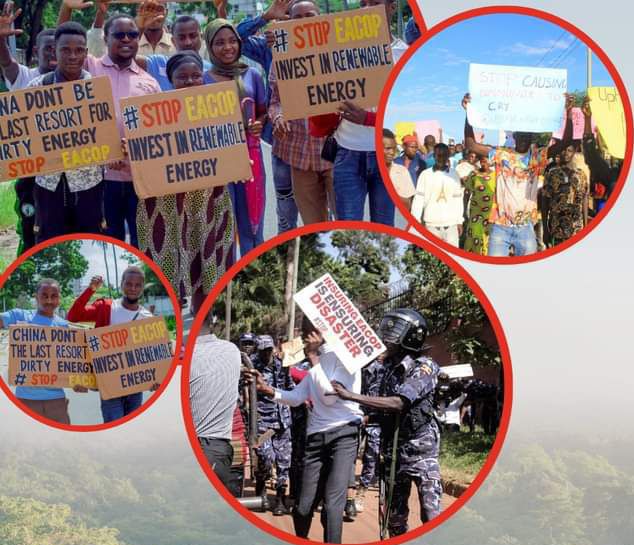
Who: The StopEACOP campaign and its allies are planning a coordinated global day of action on June 26th, 2024, outside the Chinese embassies and some of the Chinese financial institutions in 12 countries.


What: The StopEACOP campaign is coordinating an escalated global action to urge China to rule out financial support for the East African Crude Oil Pipeline and the associated oil field projects (the EACOP projects). The campaign specifically targets the China Export & Credit Insurance Corporation (SINOSURE), the state-owned Chinese insurance company, the Export-Import Bank of China (China Exim Bank), one of China’s policy banks, and the Industrial and Commercial Bank of China (ICBC), China’s largest commercial bank and one of the financial advisors for the EACOP project. The Chinese financial institutions have reportedly considered supporting the projects and are expected to make a decision in July. The day of action will hold peaceful protests outside Chinese embassies and consulates in cities in Africa, Europe, and the USA, demanding that Chinese embassies officially receive petitions signed by the affected people and studies about the impacts of the projects. This action is also a response to the recent abduction of Stephen Kwikiriza and arbitrary arrests of protestors in the previous demonstrations in November 2023 and May 2024, showing solidarity with local activists and human rights defenders in Uganda and Tanzania who continue to resist despite facing repression.


In Uganda and Tanzania

Why: The EACOP projects pose outstanding risks and impacts to local communities’ livelihoods, water resources, and key biodiversity areas of East Africa while providing little benefit to the average Ugandan and Tanzanian. The projects, which are estimated to lead to greenhouse gas emissions of 379 million tonnes CO2e, are also a climate bomb that will fuel the global climate crisis, further locking the planet in a


fossil fuel future. As major financiers and insurers from North America, Europe, and Japan have publicly distanced themselves from the harmful EACOP projects, the project developers are now looking to China for financial support. Affected people and local civil society in Uganda and Tanzania have communicated their concerns to the major Chinese banks, insurers, and the Chinese government by sending letters, petitions and analyses, and more recently through peaceful actions at the Chinese embassies. The Chinese government and financial institutions have continuously refused to respond to the demands of the affected people. However, there are signs that the Chinese decision-makers are aware of the significant risks of financing the projects. It has been reported that the delayed decision of the Chinese lenders, who have taken a prolonged time to assess the risks, has put the project in a cash crisis that threatens to stall the construction. The campaign aims to amplify people’s voices and urge China to make the right decision. As a committed climate leader and responsible development partner of the Global South, China should not enable these destructive projects, which are majoritively owned by TotalEnergies, through insurance or financing. Instead, China should invest in renewable energy projects promoting sustainable African development.


Where: The specific cities where these actions will take place include

Kampala, Uganda, on June 26th

Dar es Salaam, Tanzania, on June 26th

Kinshasa, DRC on June 26th Nairobi, Kenya on June 26th Abuja, Nigeria, on June 26th

Tshwane, South Africa, on June 26th

Paris, France, on June 26th

London, Manchester, UK, on June 26th


The Hague, the Netherlands, on June 26th Düsseldorf, Germany, on June 26th Copenhagen, Denmark, on June 26th

Washington DC, USA, on June 28th (by the Ugandan Diaspora in the U.S.)


Interview Opportunities:

To arrange interviews with spokespeople from organizing groups or for more information about individual actions, please contact:


Abiud Onyach

Digital Communications, StopEACOP Campaign abiud.onyach@350.org


Henrieke Butijn

Climate Campaigner and researcher henrieke.butijn@banktrack.org


Photos and videos will be made available after the events.

RAISING THE BAR FOR PRESS FREEDOM IN NIGERIA

Edosa Oviawe
(Global Rights Nigeria-Program Manager)

By Smith Nwokocha

On 3rd May 2024, the global community commemorated World Press Day (WPD), which provided an opportunity to celebrate the fundamental principles of press freedom and assess the state of media freedom worldwide. Though the 2024 theme was on informing the public about the problems and solutions facing the environment and influencing concrete action to address pressing environmental problems in Nigeria, this year’s WPD came at a most perilous time for the freedom of the press in the country. Hence, the major conversations and engagements in Nigeria on May 3, 2024 highlighted recent experiences in Nigeria, indicating that press freedom is under threat, and there is a need to raise the bar for a free press in the country. We are witnessing increased deployment of state resources and the weaponization of state institutions in the attempts to gag the press in Nigeria.

Section 39 of the 1999 Constitution of Nigeria (As Amended) recognises and guarantees Freedom of Expression and the Press as a fundamental right, and Section 22 of the 1999 Constitution of Nigeria (As Amended) places the burden on the press to uphold the government’s responsibility and accountability to the people. Similarly, other international treaties and conventions, of which Nigeria is a signatory, recognise the right of the press as fundamental to the existence of democracy.

However, since the beginning of 2024, there has been an alarming surge in incidents of unwarranted arrests of journalists, mostly for revealing corruption cases and governance failures. There is the increased deliberate use of the Cybercrimes Act to stifle press freedom in Nigeria. Ironically, there is the continued application of Section 24 of the Cybercrimes Act 2015, which has been repealed in the Cybercrimes Prohibition, Prevention Act 2024 (As Amended) passed into law in February 2024 to arrest journalists. For instances, on 7 February, 2024 the Kwara State Police charged Salihu Ayatullah, Editor-in-Chief of Informant247, Managing Editor Azeez Adisa Jaji, and reporters, Abdurahman Taye Damilola and Salihu Shola Taofeek, with conspiracy and defamation under the Cybercrime Act, and the Penal Code respectively. The charges stemmed from a report alleging that the Kwara Polytechnic Rector, Mr Abdul Jimoh Mohammed made false financial claims and commissioned uncompleted projects. On 23 March 2024, Bukky Shonibare, Chairperson of the Board of Trustees for the Foundation for Investigative Journalism (FIJ), was summoned by the National Cybercrime Centre of the Nigerian Police Force and interrogated on 26 March after which she was asked to produce FIJ’s publisher, Mr. Fisayo Soyombo, over his revealing report of alleged corruption and arms dealing by personnel of the Nigeria Customs Service. On 1 May 2024, Daniel Ojukwu, an FIJ reporter, was arrested in Lagos and taken to the State Crime Investigations Department before being transferred to the National Cybercrime Centre in Abuja. He was detained for 10 days over allegations of cybercrime, following a report on the misappropriation of public funds by Mrs Adejoke Orelope-Adefulire, the Special Adviser to the President on Sustainable Development Goals (SDGs). On 15 May 2024, Nurudeen Akewushola, a reporter with the International Centre for Investigative Reporting (ICIR), received a letter from the Police Cyber Crime Centre (PCCC) inviting him for an interview arising from a petition following an ICIR report. The same day, another letter invited ICIR’s managing directors for a similar interview. This list of attempts to hound journalists and gag press freedom in Nigeria tends to be increasing by the day.

It has been reckoned globally that the beacon of democracy is, in fact, a free and fair press. Freedom of the press is respected because it is indeed the ultimate value of any democracy. Democracy is about citizen’s participation in governance; the fulcrum of that freedom is freedom of expression. The media, both conventional media and new media, play a crucial role in this. They are the vehicle or channel through which citizens can express their views, hold the government accountable, and participate in the democratic process.

Nigeria’s President, Bola Ahmed Tinubu, recently in his 2024 Democracy Day speech not only celebrated the nation’s progress but also enumerated his administration’s commitment to entrenching democratic values and economic reforms. The President, while paying tribute to some media organisations for their fight and doggedness for a return to democracy during the military regime, noted that “we could not have won the battle against military dictatorship without the irrepressible Nigerian journalists who mounted the barricades along with the pro-democracy activists”. These very profound words of the President now leave one to wonder: If the Nigerian Press is so important to this democracy, why are journalists increasingly becoming victims of law enforcement and security agents’ harassment under his watch?

Press freedom is not just about protecting journalists. In fact, when press freedom is in jeopardy, it means the citizens have lost their basic freedom to participatory governance. If citizens ever needed to rise against tyrannical tendencies by those who wield state powers against its citizens, now is that time.

A country’s democracy is only as good as its citizen’s ability to freely live, move, associate and express their views without fear. All Nigerians must therefore rise up in defence of press freedom in the country; Journalism Is Not A Crime!


Edosa Oviawe

A Human Rights and Governance Advocates and currently the Program Manager for Global Rights


Design a site like this with WordPress.com
Get started